Office Shredding Station Organization for Confidential Paperwork and Secure Disposal
A shredding area usually becomes a problem long before it looks dramatic.
One outdated payroll printout gets folded beside the machine because someone wants to run it through later. A meeting packet with phone numbers stays on a side counter because the bin is full. Misprinted forms stack on top of last week’s shred pile because nobody wants private paperwork sitting in open recycling. By the time someone finally deals with it, the office has built a second paper system: not active paperwork, not archive paperwork, just sensitive paper waiting around.
If you need to organize an office shredding station, the goal is not only to hide the shredder. The goal is to make secure disposal easy enough that confidential paperwork leaves desks, counters, and printer areas before it turns into visual clutter or a privacy risk.
Quick answer
Start by giving secure disposal its own short, obvious path:
- keep one intake spot for papers that truly need shredding
- separate shred-now pages from items that still need review
- keep the machine area clear enough to finish one batch without reshuffling piles
- move full bags and sealed shred overflow out quickly instead of letting them sit beside the machine
- stop printers, admin desks, and meeting tables from acting like unofficial pre-shred zones
That usually improves the area faster than adding another bin without deciding what belongs there.
What makes a shredding station different from a filing or mail station
A mail station handles movement. A filing station handles records. A shredding station handles removal.
That difference matters because people hesitate more around paper that is about to disappear. They pause to double-check whether the document is safe to destroy, whether staples need to come out, whether the shredder is available, and whether the bag is already too full. Because of that hesitation, confidential paperwork lingers.
A typical shredding area may quietly collect:
- duplicate printouts with sensitive details
- forms containing account numbers, addresses, or payroll information
- marked-up meeting packets that should not stay in open view
- old labels or envelopes with identifying information
- misprints from a nearby printer or copier
- sealed bags or bins waiting for final disposal
- scraps and dust from the last shredding run
When those all mix together, the station stops answering the one question people actually have: can this paper be destroyed now, or not yet?
Use status lanes instead of one vague shred pile
A shredding station works better when each paper state means something different.
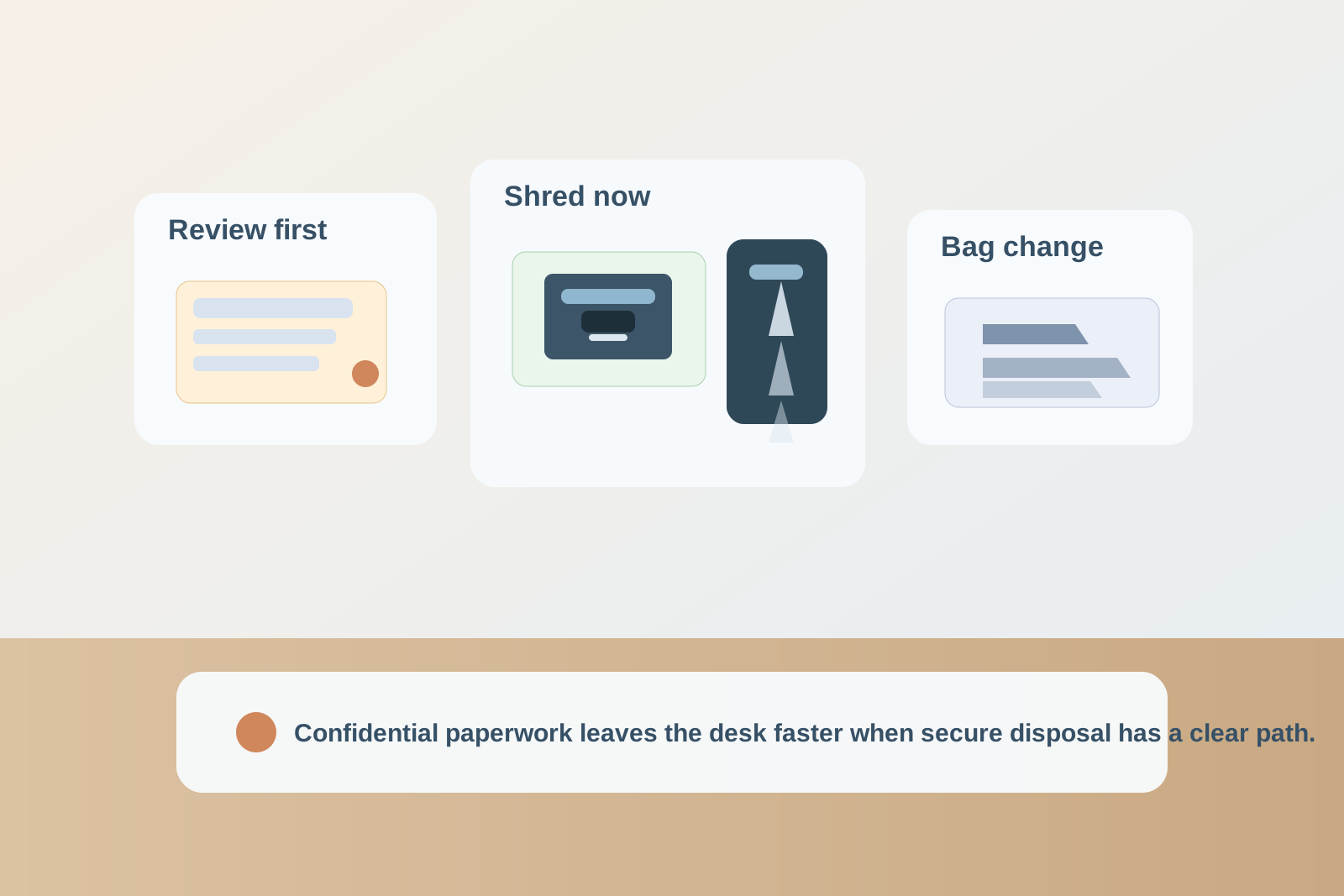
| Zone | What belongs there | What should stay out |
|---|---|---|
| review first | paperwork that might need one final check, signature confirmation, or retention decision | obvious junk and ready-to-shred misprints |
| shred now | approved confidential paperwork ready for immediate destruction | active files, unlabeled folders, reusable reference sheets |
| bag change or overflow | sealed shred bags, tied overflow waiting for pickup, replacement liners | loose papers that still need sorting |
| support spot | replacement bags, one marker, one note about retention rules if needed | live paper stacks |
This keeps the area readable. A person walking up should be able to tell whether a document needs a quick decision, immediate shredding, or removal from the station altogether.
Stop the printer area from becoming the real shredding station
A lot of offices own a shredder but still do most of their secure-disposal staging somewhere else.
The copier catches misprints. The admin desk collects forms with outdated personal details. A conference room side table holds packets from a finished meeting because they should be shredded but nobody wants to carry them over yet.
That is how sensitive paper starts traveling through the office in slow motion.
A stronger rule is simple: if a document is meant for secure disposal, it should move toward one shredding intake point right away instead of waiting in random paper stacks near where it was used.
Keep one clear feed area at the machine
The most useful part of a shredding station is not storage. It is one open patch of space where someone can stand, square up a batch, remove an obvious binder clip if needed, and finish the job without balancing papers on top of a full bin.
That space should stay free of:
- old shred dust and scraps
- extra office supplies
- archive boxes
- active folders waiting for filing
- unrelated printer paper or toner stock
- abandoned stacks that were supposed to be shredded yesterday
If the feed area disappears, secure disposal turns into one more postponed task.
Separate confidential disposal from ordinary recycling immediately
This is where many offices create quiet risk.
People often set sensitive paper aside because they know it should not go into open recycling, but they have not made secure disposal easy enough to finish in the moment. So the paper waits.
A better split looks like this:
- plain recyclable paper with no private details leaves the station entirely
- confidential paper ready for destruction goes to shred now
- uncertain paper goes to review first for a short, deliberate check
- completed shred bags move to bag change or overflow and then leave the area
That keeps the station from becoming a holding zone for every piece of paper that feels vaguely important.
Treat full shred bags as completed work that still needs one more move
One reason shredding areas stay messy is that the bag-change moment feels inconvenient, so full bags remain beside the machine longer than they should.
Then the next batch gets balanced on top. Or someone starts a temporary stack on the floor because the bag is almost full. Or the station becomes visually crowded enough that people stop using it until a bigger cleanup happens.
A better rule is to treat a full shred bag as finished work that still needs its final exit. Once the bag is tied or sealed, it should move to the designated pickup or disposal point instead of living beside the shredder for the rest of the week.
Watch for four common shredding-station failures
1. The station becomes a fear pile
People are not sure what can be destroyed, so they keep stacking papers that “probably” need shredding.
2. The machine area becomes general paper overflow
Printer misprints, forms waiting for review, and secure disposal all share one surface, so nothing moves cleanly.
3. Full bags stay in view too long
The station keeps looking busy even when the actual shredding is done.
4. Nearby desks become temporary privacy zones
Sensitive paperwork sits face down on desks, counters, or cabinets because the shredder feels too full or too awkward to use right now.
A short reset that keeps secure disposal moving
Use this reset at the end of a paper-heavy block or before the day ends:
- shred the ready-to-destroy stack completely
- move uncertain papers into one small review-first lane
- tie off and remove any full shred bag or sealed overflow
- clear dust, scraps, and loose labels from the feed area
- leave one fresh liner or one obvious next-bag setup ready
That reset is short, but it keeps the station usable when the next batch appears.
Where TidySnap can help
Shredding clutter is easy to underestimate because the pile often looks temporary and responsible. A photo shows the real pattern faster: sensitive printouts parked beside the copier, sealed bags still crowding the machine, and private paperwork waiting in places that were never meant to hold it. TidySnap can help turn that real setup into a clearer disposal flow so confidential paper leaves the workspace faster and the station stops feeling like a paper checkpoint.
Final thought
A good office shredding station does not only protect privacy. It removes hesitation.
When review-first papers, shred-now papers, and full-bag follow-through each have a clear lane, confidential paperwork stops lingering on desks and counters. The office feels cleaner, and secure disposal becomes a normal finish step instead of a delayed clean-up project.