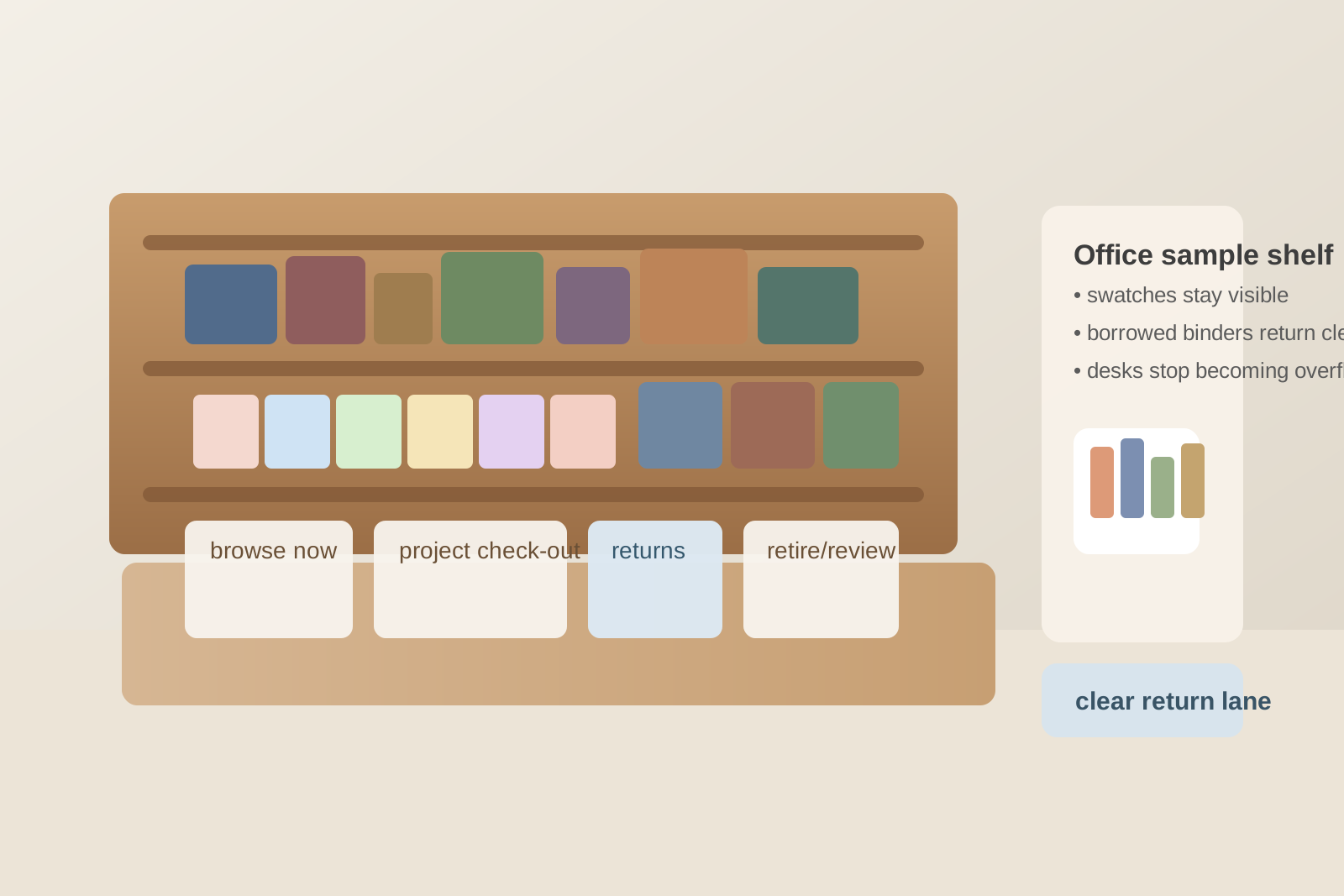
Office Sample Library Shelf Organization for Swatches, Catalogs, and Borrowed Binders
A shared sample shelf creates a very specific kind of office clutter.
It is not quite archive storage, and it is not quite active project space. It holds fabric books, finish swatches, material cards, vendor catalogs, borrowed binders, and comparison sets that people need to browse, carry away for a decision, and return later. When that flow is unclear, the shelf stops being a library and starts leaking onto desks, meeting tables, and any open counter nearby.
If you need to organize your office without losing easy access to samples, the goal is not to make the shelf look decorative. The goal is to make browsing, borrowing, returning, and retiring materials obvious enough that current options stay visible and old samples stop hanging around like live ones.
Quick answer
An office sample library shelf usually works better when you:
- separate browse-now materials from checked-out or decision-in-progress sets
- keep swatches, catalogs, and binders in different visual lanes instead of one mixed row
- create one simple return spot for borrowed items that are not ready to go back to the main shelf yet
- retire outdated or duplicate sample sets before they blend into current options
- protect nearby desks from becoming unofficial holding zones for materials nobody wants to re-shelve
That usually does more for the workspace than adding more baskets to a shelf that still mixes active choices with stale materials.
Why sample shelves turn into quiet overflow
Sample libraries usually become messy for one reason: the shelf is trying to support too many stages at once without naming them.
One person is comparing finishes for a live project. Another borrowed a vendor binder last week and set it back in the wrong place. A few old swatch cards are still hanging around even though the line changed months ago. Someone leaves two catalogs on a side table because they expect to need them again tomorrow. None of those actions feels dramatic, but together they make the sample area harder to trust.
Once the shelf loses trust, people stop returning things cleanly. They keep reference materials on desks just in case, which spreads the clutter problem into the rest of the office.
Organize by sample status before material type
A lot of offices try to organize sample shelves by brand, color family, or product line first.
That can work later, but the faster fix is organizing by status:
| Zone | What belongs there | What stays out |
|---|---|---|
| browse now | current swatch books, active vendor catalogs, and sample binders people can pull today | outdated lines, duplicate extras, and half-used project piles |
| project check-out | materials currently being reviewed for a live decision, with a project name or temporary note | general library stock with no active user |
| returns to re-shelve | items that came back but still need sorting into the right home | fresh materials nobody has used yet |
| retire or review | old catalogs, superseded cards, damaged binders, and mystery leftovers | trusted current references |
Once status is clear, you can still group within each lane by vendor, finish type, or category. But if you skip the status layer, the whole shelf keeps feeling half-active and half-abandoned.
Give swatches, catalogs, and binders different kinds of space
These materials create clutter in different ways.
Swatches spread flat. Catalogs slump and stack. Binders stand upright until someone wedges loose papers beside them. When all three formats share one shelf style, the most awkward items take over and the smaller pieces disappear.
A cleaner setup usually gives each format its own boundary:
- swatch cards and small sample sets in contained upright files or shallow labeled sections
- vendor catalogs in one vertical lane where titles stay readable
- sample binders or books in a sturdier section that can handle weight without leaning into everything else
That split makes the shelf easier to scan and reduces the temptation to park one random item anywhere it fits.
Create a real holding place for borrowed materials
One of the biggest reasons sample shelves fail is that borrowed materials come back in a messy state.
A binder returns with sticky notes inside. A catalog comes back with a project card tucked into the middle. A swatch ring lands on top of a shelf because nobody remembers which section it came from. When there is no return lane, people either guess where things belong or avoid putting them back at all.
Use one small return section for materials that are back in the office but not fully ready to re-shelve. That zone should be temporary and easy to scan. It keeps the main library cleaner, and it prevents half-returned materials from disguising themselves as current shelf inventory.
Stop live project picks from blending into the shared library
A sample shelf gets confusing fast when the same materials are serving two jobs:
- shared browsing for anyone who needs options
- temporary parking for a specific project’s current finalists
Those are not the same workflow.
If a project is actively narrowing choices, give that set a clearly separate check-out area or project review lane. Otherwise the main shelf starts looking thinner in random places while desks and tables collect the materials people are actually using. Separating live decision sets from general browsing stock keeps the shared shelf useful for the next person instead of turning it into a memory game.
Retire outdated samples before they look official again
Old sample materials are dangerous because they often look neat enough to keep.
A retired finish card, an outdated catalog, or a discontinued binder can sit on the shelf for months because nothing about it looks broken. But if people browse from old options by mistake, the shelf is not only cluttered. It is misleading.
Create one review lane for anything that is:
- superseded by a newer edition
- visibly damaged or incomplete
- duplicated without a clear reason
- no longer part of your current vendor set
- unlabeled enough that nobody wants to claim it
The shelf should make current choices easier, not preserve every material that ever passed through the office.
Keep nearby desks out of the sample system
If your desk, conference table, or printer counter keeps collecting swatches and binders, the shelf is already telling you something.
Usually it means one of three things:
- browsing materials are too hard to scan quickly
- borrowed materials have no clear return path
- active project picks are sharing space with the general library
A better shelf reduces desk clutter by making the next move obvious. People should know whether a material belongs in browse now, check-out, returns, or retire-review without stopping to decode the whole system.
A fast reset for a cluttered office sample shelf
If the area is already overloaded, reset it in this order:
- remove clearly outdated catalogs, damaged swatches, and mystery extras first
- pull out project-specific stacks that do not belong in the shared library
- group current browseable materials by format so swatches, catalogs, and binders stop fighting for the same space
- create one temporary returns lane for materials that need re-shelving
- leave some visible open room so the shelf does not feel full on day one
That usually works faster than trying to label every vendor and finish type before the shelf has a clear flow.
Where TidySnap helps
TidySnap helps when a sample area looks organized from far away but still creates clutter around it.
A quick photo can make it easier to spot which materials are current browsing stock, which ones are really project check-outs, and which leftovers are only staying put because nobody wants to decide where they belong. That is useful when the office keeps solving sample-shelf confusion by spreading materials onto desks instead.
Final thought
A good office sample library shelf should make choice-making easier without covering the rest of the workspace in borrowed materials.
When swatches, catalogs, binders, and returns each have a clearer place, people browse faster, return things more reliably, and stop treating nearby desks like a backup shelf. That is what makes the space feel more organized, even before the shelf looks perfect.