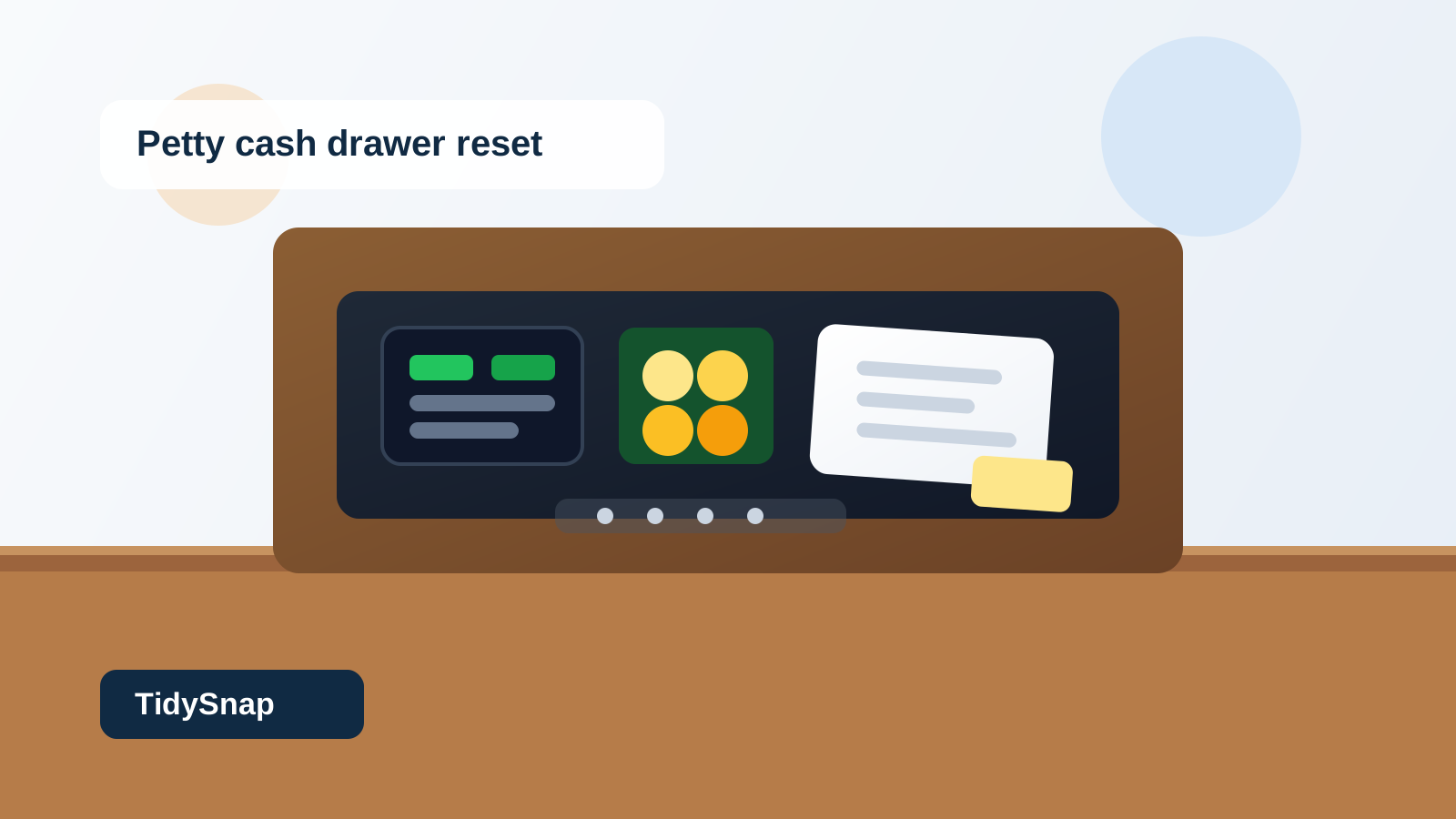
Office Petty Cash Drawer Organization for Change Rolls, Receipt Slips, and Reimbursement Notes
Petty cash clutter usually shows up the moment someone needs exact change quickly.
A small purchase gets reimbursed in a rush. A receipt gets folded and dropped into the drawer because nobody wants to lose it. Someone borrows coins from the change section and leaves a sticky note to explain it later. A reimbursement note sits under the bills because the log sheet is full. Before long, the petty cash drawer is technically stocked but annoying to trust.
If you want to organize office petty cash, the goal is not making the drawer look strict for one day. The goal is making it easy to count, easy to restock, and easy to tell which paper belongs to a finished transaction versus one that still needs follow-up.
Quick answer
An office petty cash drawer works better when cash, coins, receipts, and exception notes each have their own lane. Keep one clean working layer for current bills and coins, one small section for active receipt support, one defined place for reimbursement notes or shortages, and move completed paperwork out of the drawer on a regular schedule. The drawer should answer four questions fast: how much cash is here now, what change is ready, which receipts match recent use, and what still needs explanation.
Why petty cash drawers become messy so fast
A petty cash drawer is small, but it ends up carrying several different jobs at once.
It may be holding:
- daily bills and coins for making change
- rolled coins or backup small bills
- receipt slips from recent purchases
- handwritten reimbursement notes
- one running log or envelope for tracking use
- unresolved shortages, overages, or missing receipt reminders
That mix is what causes the problem.
Cash wants a stable layout. Paperwork wants a temporary decision point. When both live in the same little footprint without rules, the drawer stops being a reliable tool and starts becoming a memory system.
Separate usable cash from explanation paper
The biggest petty-cash mistake is letting receipts and notes drift directly into the live money area.
Once loose paper sits under bills or inside the coin section, every count takes longer. People have to lift stacks, unfold notes, and guess whether a slip belongs to today or to a transaction that was already settled.
A better layout keeps two functions apart:
| Zone | What belongs there | What stays out |
|---|---|---|
| live cash zone | current bills, ready coins, the denominations you use most | old receipts, IOUs, reimbursement reminders |
| support paper zone | today’s receipt envelope, current log slip, one short note waiting for reconciliation | extra pens, random office forms, finished paperwork |
| exception zone | missing-receipt notes, shortages, reimbursement follow-up | normal change and confirmed receipts |
| backup stock zone | rolled coins, reserve small bills, tamper band or spare envelope | everyday paper clutter |
This works because the next person can count money without digging through explanation paper first.
Build the drawer around the most common transaction
Not every office uses petty cash the same way.
Some mostly make change for small customer payments. Others reimburse quick errands, parking, or break-room supplies. Some only use petty cash during events or training days.
The drawer should reflect the transaction that happens most often.
For example:
- if you mostly make change, keep the working denominations easiest to grab in the top layer
- if you mostly reimburse staff purchases, keep receipt capture and note-taking tight beside the cash log
- if petty cash is occasional, keep the live layer minimal and push backup stock one step deeper
A drawer that is optimized for the rare edge case usually feels overstuffed every day.
Give receipts one controlled landing spot
Receipt drift is what makes petty cash feel sloppier than it really is.
The problem is not that receipts exist. The problem is that they get parked anywhere there is room: folded under twenties, tucked beside coins, clipped to the lid, or left half-out of the drawer because someone plans to enter them later.
A simple fix is to give current receipts one small landing spot only, such as:
- one envelope
- one narrow receipt sleeve
- one clipped log sheet with the latest receipt attached
- one tiny folder section beside the cash tray
The rule should be simple: if a receipt supports live petty cash, it goes in that one receipt spot and nowhere else.
Keep reimbursement notes out of the cash count path
Unresolved notes create a different kind of mess than receipts.
A receipt usually proves that something happened. A reimbursement note usually means the process is still incomplete. Maybe someone needs to bring the receipt back. Maybe change was short. Maybe a purchase was made after hours and still needs approval. Those notes matter, but they should not interrupt normal cash handling every time the drawer opens.
That is why an exception zone matters.
Use it for:
- missing receipt reminders
- partial reimbursements waiting to be closed out
- overage or shortage explanations
- one-person follow-up items that should not disappear into the main log
If an item is unresolved, it should look different from normal petty cash activity.
Do not let backup change become the visible layer
Petty cash drawers often feel crowded because reserve stock is sitting in the same layer as everyday use.
That might include:
- full coin rolls
- extra fives and ones
- sealed backup envelopes
- old deposit bands
- spare blank reimbursement forms
Those items may belong nearby, but they do not need to dominate the top layer.
Keep only the amount needed for normal daily use in the live section. Backup stock should sit behind, below, or beside the working tray so the active layer stays readable.
Protect the count from side supplies
A petty cash drawer can quietly collect all kinds of unrelated items:
- pens
- paper clips
- business cards
- spare keys
- sticky notes
- badge clips
- random coupons or gift cards
These extras usually appear because the drawer feels secure and convenient.
But the moment side supplies enter the same space as money, the drawer becomes harder to count and easier to mistrust. If something is not part of making change, logging use, or supporting reconciliation, it should live somewhere else.
Use a short closeout routine instead of waiting for a full cleanup
Petty cash stays organized through frequent small resets, not through occasional drawer overhauls.
At the end of a shift or admin block:
- straighten the live bill and coin sections
- move fresh receipts into the one receipt landing spot
- move unresolved issues into the exception zone
- refill working denominations from backup stock only if needed
- remove finished paperwork from the drawer once it has been logged or filed
That closeout takes only a few minutes, but it keeps the next count from starting in the middle of yesterday’s loose decisions.
Watch for four common petty-cash clutter patterns
1. The drawer becomes half cash tray, half paper file
That usually means receipts and notes have no controlled landing spot.
2. Backup rolls sit on top of active change
That usually means reserve stock has no separate depth or section.
3. Missing-receipt notes are mixed with normal transactions
That usually means exception items are not visually separated.
4. Unrelated office supplies keep appearing in the drawer
That usually means the drawer is being treated like general secure storage instead of a transaction tool.
A simple petty-cash layout that works
If you want a practical default setup, try this:
- front section: daily bills and coins used most often
- side section: one receipt sleeve or envelope for current support paper
- rear or lower section: backup rolls and reserve bills
- small marked corner: exception notes that still need follow-up
- outside the drawer: the longer-term log, archive file, or finance folder
That setup works because the drawer stays focused on today’s transactions instead of trying to store the whole paper trail forever.
Where TidySnap helps
Petty cash clutter is easy to normalize because each extra note or loose receipt looks temporary. A real photo often shows the pattern faster: reserve stock taking over the top layer, receipts mixed into the bills, and unresolved notes living where everyday change should be. TidySnap can help you spot which items belong in the live transaction path and which ones should move into a tighter support or follow-up zone.
Final thought
A good petty cash drawer should feel boring in the best way.
When live cash, receipts, reserve change, and unresolved notes each have a clear place, small transactions stay quicker and the drawer stops acting like a catchall for every half-finished reimbursement. That is what makes petty cash easier to trust: not more compartments, but fewer mixed signals.