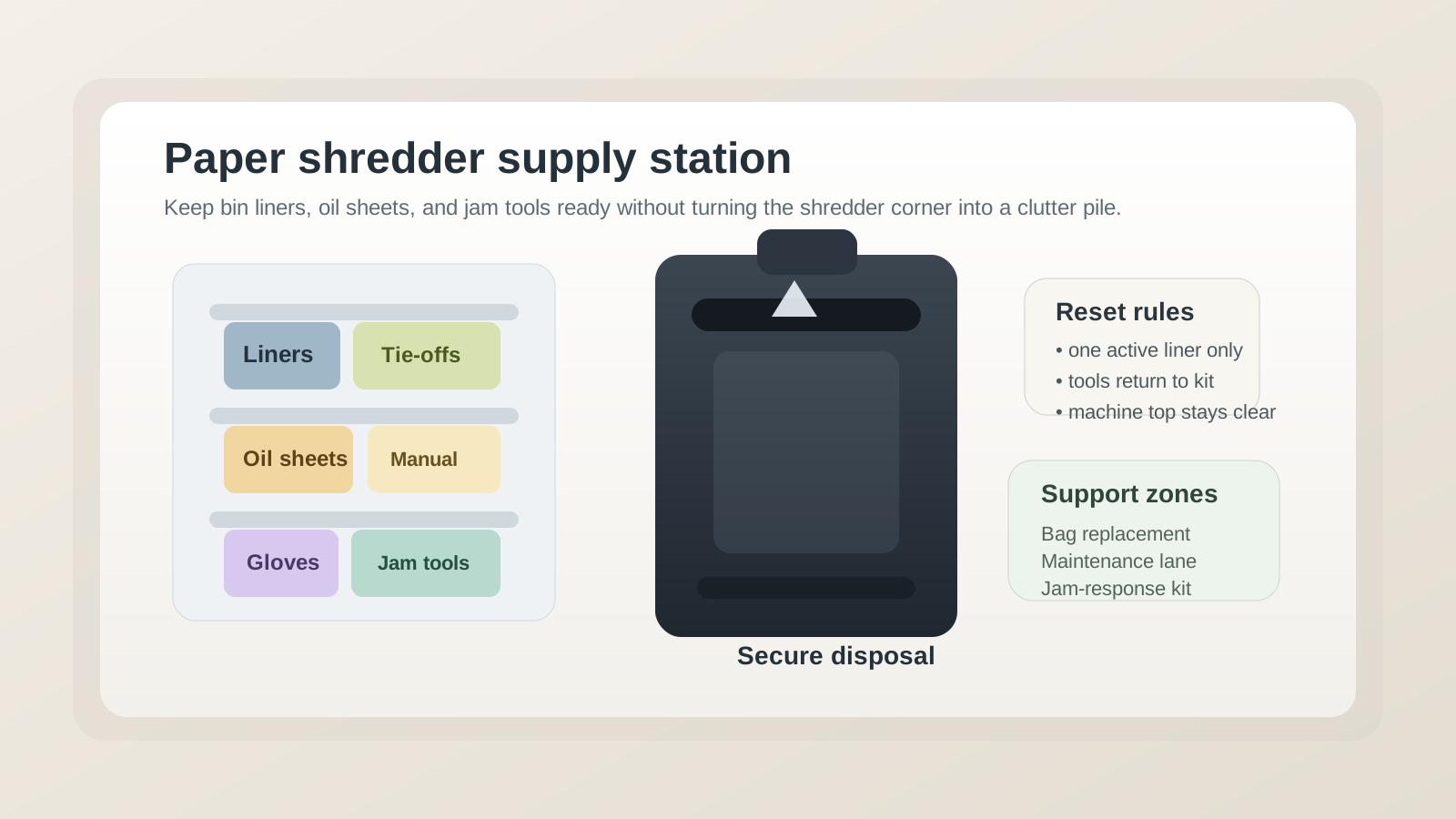
Office Paper Shredder Supply Station Organization for Bin Liners, Oil Sheets, and Jam Tools
A shredder area can stay operational and still look like nobody has decided where the support gear belongs.
One box of bin liners gets wedged behind the machine because the bag ran out once during a busy cleanup. A pack of oil sheets sits on the windowsill because somebody wanted maintenance supplies close. A bent letter opener, jam card, or spare gloves gets parked on top of the cabinet because it helped during one paper jam and never found a real home again. Then the shredder fills up, somebody needs a replacement bag quickly, and the whole corner turns into a hunt for whatever keeps the machine usable.
If you want to organize an office paper shredder supply station, the goal is not making the shredder area look more finished. The goal is making liners, maintenance items, jam-clear tools, and overflow supplies easy to grab without mixing them into the same visual pile as confidential paperwork waiting for disposal.
Quick answer
An office paper shredder supply station usually works better when you split the support area into four functions:
- bag replacement supplies for the next bin change only
- maintenance supplies such as oil sheets or approved lubricant kept together and protected
- jam-response tools stored in one obvious spot instead of loose around the machine
- overflow support for sealed extra liners or full-bag tie-offs kept one layer deeper
That usually means keeping only the next needed supplies within immediate reach, moving backup stock out of the machine footprint, and refusing to let the top of the shredder or nearby cabinet become a parking lot for maintenance odds and ends.
Why shredder support supplies become messy so fast
The support clutter around a shredder is different from the confidential-paper clutter that builds before shredding.
The paperwork problem is about disposal decisions. The supply problem is about interruption prevention.
People keep shredder supplies too visible because they are trying to avoid three annoying moments:
- the bin fills up and there is no fresh liner nearby
- the machine starts running rough and nobody can find the oil sheets
- a minor jam happens and the only tool that helped last time has disappeared
So instead of creating a real support zone, offices often build a panic pile. Liners lean against the wall. A half-used maintenance pack sits beside old instruction sheets. Twist ties, gloves, and one improvised jam tool float between the cabinet, the shredder top, and the nearest drawer. Nothing looks huge on its own, but together it makes the station feel unreliable.
Start by separating shredding supplies from shredding intake
This is the most important distinction.
A shredder station may sit near confidential-paper intake, but that does not mean the supplies should live in the same zone as documents waiting to be destroyed.
When replacement bags, oil sheets, and jam tools mingle with pre-shred paperwork, two things happen fast:
- the machine-support items get buried under paper
- people start treating the whole area like general shredder overflow
A better setup is to keep the support station clearly adjacent, not mixed. The intake side should answer, what needs shredding next? The supply side should answer, what keeps the machine ready?
That one difference makes the area easier to reset because the office is no longer trying to read supplies and disposal piles as one category.
Keep only one active bag-replacement set within reach
The liner stash is usually where the supply mess starts.
Someone wants to avoid running out during a bin change, so multiple loose bags or a partly collapsed box stay right next to the machine. Then the box tears, extra liners slide down the side of the cabinet, and the replacement supply starts looking like trash.
A cleaner approach is to keep:
- one active replacement set within easy reach
- sealed backup stock one layer deeper
- bag ties or closure supplies with the active set, not scattered separately
This keeps the next bag change simple without making the shredder corner look like bulk storage.
If the machine has a narrow footprint, the active set can be as small as one folded liner plus the ties or closure method you actually use. The point is not storing less for the sake of minimalism. The point is making the next replacement obvious without displaying the whole backup supply every day.
Give oil sheets and maintenance items their own protected lane
Oil sheets often create a strange kind of clutter because they are flat, infrequent, and easy to shove anywhere.
They end up behind a stack of copy paper, under the shredder manual, or balanced beside other supplies that have nothing to do with machine care. Then when performance drops, nobody remembers whether the maintenance supplies were used up, moved, or thrown away with packaging.
A better supply station gives maintenance items one clearly separate lane. That lane should hold only what supports shredder upkeep, such as:
- oil sheets or the approved maintenance product for the machine
- the machine manual or quick maintenance instructions if you still need them
- one small note about service frequency if your office actually follows one
What should not live there:
- random cleaning wipes
- spare pens
- sticky notes about confidential paperwork
- packaging scraps from the last box of liners
Maintenance supplies work better when they are easy to identify at a glance and hard to confuse with general office odds and ends.
Store jam-response tools like emergency tools, not like leftover hardware
Jam-clearing tools create clutter because they are used infrequently but feel too important to put away carelessly.
That leads to bad habits: a letter opener left on the cabinet, a pair of gloves tucked behind the machine, a flat card sitting under the shredder manual because it might help next time. Soon the station looks like it is halfway through a repair even when nothing is wrong.
Instead, treat jam-response tools like a tiny kit.
Keep only the tools your office actually uses and that the machine manufacturer permits. In many offices that may be no more than:
- one approved jam-clearing aid or flat tool
- one pair of gloves if handling is part of the process
- one quick instruction card for safe shutdown and clearing
The goal is not building a repair bench. It is giving minor jam response a repeatable home so people do not leave troubleshooting items loose around the shredder after one stressful fix.
Move overflow bags and bulk supplies one step deeper
A shredder support station feels crowded when every future need is stored in the front layer.
Bulk liners, unopened maintenance packs, and sealed overflow bags should not sit in the same visual band as the next-use items. They matter, but they do not need to compete for the same space.
If possible, split the storage like this:
- front layer: the next bag, next tie, and current maintenance pack
- back or lower layer: sealed backup stock
- review lane: damaged boxes, wrong-size liners, or uncertain extras that need a decision
That review lane matters more than it sounds. Offices often keep using bad storage simply because odd supplies have nowhere to go. A torn liner box, the wrong lubricant, or an extra bag size then stays parked beside the machine for weeks. Giving those items their own short decision lane stops them from becoming part of the permanent setup.
Protect the top and sides of the shredder from becoming storage
The machine itself attracts clutter because it looks flat enough to hold small things for a minute.
That minute tends to last.
A maintenance pack lands on top. The instruction card stays tucked under one corner. A replacement bag gets hung over the side because somebody is about to change it later. Then the shredder starts collecting support supplies on its body the same way a desk collects paper along its front edge.
If you want the station to stay readable, make one rule: the machine is for shredding, not staging.
That means the top of the shredder, the handle area, and the side clearance should stay as empty as possible unless a supply is being used right now. The support station should sit nearby, but it should not drape itself across the equipment.
Organize by interruption type, not by product packaging
One reason shredder stations become messy is that offices store supplies by what came in the same box rather than by what problem the item solves.
A better system groups items by the interruption they prevent:
- bin full -> active liners and closure supplies
- machine running rough -> maintenance lane
- minor jam -> jam-response kit
- backup needed later -> sealed overflow stock
That setup works because people approach the station under pressure. They do not want to decode categories. They want to know what to grab when the shredder is full, noisy, or jammed.
What to remove from the shredder supply station
A better shredder supply station usually gets smaller before it gets neater.
Remove anything that is only nearby because it once felt related, such as:
- random office scissors or cutters that belong elsewhere
- unrelated printer or mail supplies
- old signage that no longer reflects the machine setup
- empty packaging from liners or maintenance products
- mystery keys, clips, badges, or notes that drifted into the area
- outdated instructions for a machine you no longer use
The station should support one job: keeping the shredder ready and safe to use. If an item does not help with that job, it is borrowing space from something that does.
A simple reset routine that keeps the area from slipping back
Most shredder supply clutter returns after one full bag, one jam, or one maintenance task.
A short reset routine helps more than a complicated storage system:
- replace the active liner immediately after a full-bag change
- return jam-response tools to the same kit before leaving the area
- flatten or recycle empty supply packaging right away
- check whether backup stock still belongs in the support zone or should move deeper
- clear the machine top and side handles before the next person uses it
This reset takes very little time, but it prevents the station from turning into an afterthought that people only fix when the whole area looks bad.
Final takeaway
The best office paper shredder supply station does not treat liners, oil sheets, jam tools, and overflow bags as one loose category called shredder stuff.
It separates the next bag change from deep backup stock, machine-care items from confidential-paper intake, and real jam-response tools from random objects that got left behind after a stressful moment. When those roles are clear, the shredder stays easier to maintain, the surrounding corner stays cleaner, and secure disposal work feels less interrupted by avoidable supply hunts.