Office Package Hold Shelf Organization for Pickup Notices and Oversize Items
Package clutter does not always start at delivery.
A lot of office mess shows up one step later, after the item has already been received.
Someone signs for a box, sets it on a side shelf, and plans to message the recipient in a minute. Another delivery is oversized, so it cannot fit in the usual cubby area. A pickup notice gets tucked under a smaller parcel so nobody forgets it. By the end of the day, the office is not dealing with incoming packages anymore. It is dealing with a mixed hold area full of items that are ready for pickup, waiting on outreach, too large for normal storage, or old enough that nobody is sure who still owns the next step.
If you are trying to organize an office package hold shelf, the goal is not building a tiny warehouse. The goal is making post-check-in package status obvious. People should be able to tell what is ready now, what still needs a message, what belongs in an oversized lane, and what has been sitting long enough to review.
Quick answer
If you need to organize an office package hold shelf, start by separating held packages by pickup status instead of by size or sender.
- give checked-in packages one hold area instead of scattering them behind reception or under desks
- separate ready-for-pickup items from packages that still need notice or follow-up
- give oversized items their own edge or floor lane so they do not crush smaller holds
- keep pickup notices and package labels visible without taping paperwork to every box
- review aging holds on a short schedule so old packages do not become permanent shelf residents
- keep the shelf for post-check-in holding only, not for fresh receiving or random office storage
That usually fixes the confusion faster than adding more bins without clarifying status.
Why package hold shelves get messy so quickly
A package hold shelf sits in an awkward middle state.
The delivery is finished, but the workflow is not.
That means one shelf may be trying to hold:
- packages already ready for pickup
- items that were received but not yet messaged
- oversized boxes waiting for a different pickup plan
- notice slips or routing notes
- packages with access or signature questions
- old holds nobody has escalated yet
- personal deliveries mixed with office supply items
When those all stack together, the shelf stops answering the only question people care about: what happens next to this package?
Organize by pickup status before you organize by package size
A lot of offices sort held packages by whatever is easiest to see first. Small boxes on one shelf. Big boxes on the floor. Envelopes in a tray. That sounds neat, but it does not tell staff whether the item is actually pickup-ready.
A better layout sorts by status first.
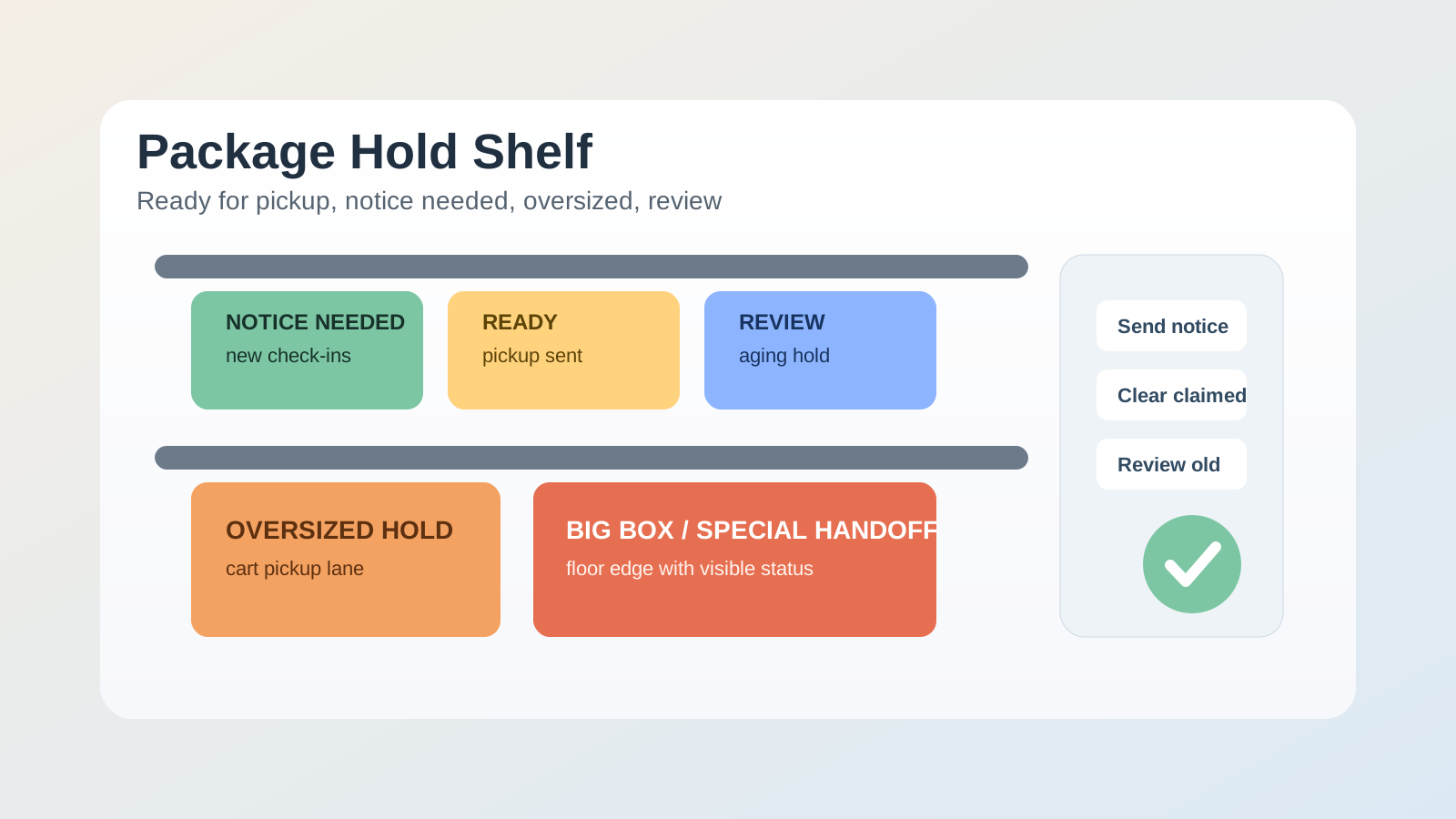
| Zone | What belongs there | What should stay out |
|---|---|---|
| notice needed | newly checked-in items that still need a recipient message or label confirmation | packages already claimed or fully pickup-ready |
| ready for pickup | items with notice sent, clear recipient, and no open question | fresh deliveries and unresolved problem boxes |
| oversized hold | bulky cartons, awkward shapes, or heavy items that need a separate pickup spot | small routine packages that fit on the shelf |
| review or exception | damaged packages, unclear ownership, repeat no-show holds, or signature questions | normal same-day pickups |
This works because it turns the hold shelf into a status board, not just a storage ledge.
Keep receiving work separate from hold work
This is one of the easiest ways to reduce shelf chaos.
A receiving station answers questions like:
- what just arrived?
- does the item match the slip?
- does anything need to be opened, counted, or routed?
A package hold shelf answers different questions:
- has the recipient been notified?
- is the package ready to hand over?
- is this item too large for the normal pickup lane?
- has this hold been sitting too long?
If fresh deliveries and held packages share the same surface, staff have to decode both intake status and pickup status at once. That is usually when boxes start drifting behind desks and along the floor.
Give oversized items a controlled overflow lane
Oversized packages create a different problem from standard parcels.
They block sightlines, crowd walking space, and make smaller pickup-ready items harder to reach. They also tend to stay longer because pickup often requires a cart, a vehicle, or a planned handoff.
Instead of forcing large items onto the main shelf, create one clearly defined oversized lane beside or below the hold area.
That lane should be:
- visible from the main shelf
- limited to items that truly do not fit normal storage
- labeled by pickup status when possible
- reviewed often so it does not become long-term floor storage
The goal is not hiding large boxes. It is keeping them from swallowing the rest of the hold system.
Make pickup notices readable without creating paper clutter
A lot of package hold areas fail because the paperwork becomes its own mess.
Sticky notes fall off. Printed notices get tucked under a parcel. Handwritten names show up on three sides of the same box because nobody trusted the first label.
A cleaner approach is to keep the package visible and the status readable:
- use one consistent recipient-facing label position
- keep temporary notices in one small clip, sleeve, or shelf-edge holder
- avoid loose paper stacks mixed between parcels
- remove old notes as soon as the package is claimed or escalated
The shelf should help people confirm status quickly, not force them to dig through scraps to see whether outreach already happened.
Separate short-stay holds from aging holds
Not every package should feel equally current.
A parcel that arrived thirty minutes ago and a box that has been waiting five days should not blend into the same visual layer.
A simple rule helps:
- recent hold: waiting on first pickup window
- follow-up hold: notice sent, still unclaimed
- aging hold: old enough to review, remind, or escalate
This matters because old holds create false volume. They make the shelf look busier than today’s actual package flow and teach people to ignore the queue.
Watch for four common package-hold failures
1. The front desk becomes the real hold shelf
If reception keeps parking packages behind the chair, under the guest counter, or beside the sign-in area, the office has intake without a reliable post-check-in handoff.
2. Oversized items take over normal pickup space
One large carton can turn six easy pickups into a frustrating search if it blocks labels, access, or walking room.
3. Notice sent and notice not sent packages share one pile
When nobody can tell whether the recipient has already been contacted, the office repeats messages, misses pickups, or leaves packages sitting longer than needed.
4. Old holds never leave the shelf
A shelf full of stale items makes new arrivals harder to read. The hold area should support pickup, not act like indefinite storage.
A short reset that keeps the shelf usable
At the end of the main delivery block, do a five-minute hold-shelf reset:
- move fresh checked-in packages into the correct hold status zone
- send or confirm any pending pickup notices
- pull oversized items into their dedicated lane
- remove claimed items and clear outdated notes
- flag aging holds for reminder or escalation
- leave one visible open area for the next wave of pickups
That quick reset prevents tomorrow’s packages from landing on top of yesterday’s uncertainty.
Where TidySnap can help
Package hold shelves are hard to judge because the area often looks “temporarily busy” all the time.
A photo makes it easier to see whether oversized cartons are blocking the shelf, whether pickup-ready items are mixed with unresolved holds, and whether the front desk is quietly acting like backup package storage.
TidySnap can help you turn that real setup into a clearer hold layout, so packages move from check-in to pickup without spreading into reception counters, side tables, or floor space.
FAQ
What should go on an office package hold shelf?
Only post-check-in items waiting for pickup, follow-up, or exception handling. Fresh receiving work and unrelated office storage should stay elsewhere.
How do I organize oversized packages at work?
Give them a dedicated overflow lane beside or below the main hold shelf, then separate them by pickup status so they do not block routine parcels.
Should pickup notices stay attached to every package?
Only if your process requires it. In many offices, a cleaner system is one consistent visible label plus a small notice holder that does not create loose paper clutter.
How often should we review held packages?
Usually once during the main delivery window and once at the end of the day is enough to catch unnotified items, claimed items, and aging holds before the shelf gets muddy.
Final thought
A good office package hold shelf does not only hold boxes. It protects clarity after check-in.
When ready-for-pickup items, notice-needed packages, oversized holds, and aging exceptions each have a readable place, the office spends less time hunting through cartons and more time getting packages to the right person.