Office Key Drop Station Organization for Labeled Returns and Missing-Key Follow-Ups
A lot of key clutter starts after the key is no longer in use.
Someone comes back from a storage room run and leaves the key on the nearest counter because the cabinet is across the office. An after-hours vendor drops a labeled envelope at reception, but it sits beside packages until morning. A conference room key gets handed back during a busy check-in window, and now nobody is sure whether it was actually returned, only mentioned, or moved into a drawer for “just a minute.”
That is how offices end up with a key-return problem that looks like random desk clutter.
If you want to organize office access points more effectively, the fix is not only a better key cabinet. The fix is giving returned keys one trustworthy first stop before they re-enter circulation, get logged, or trigger a follow-up.
Quick answer
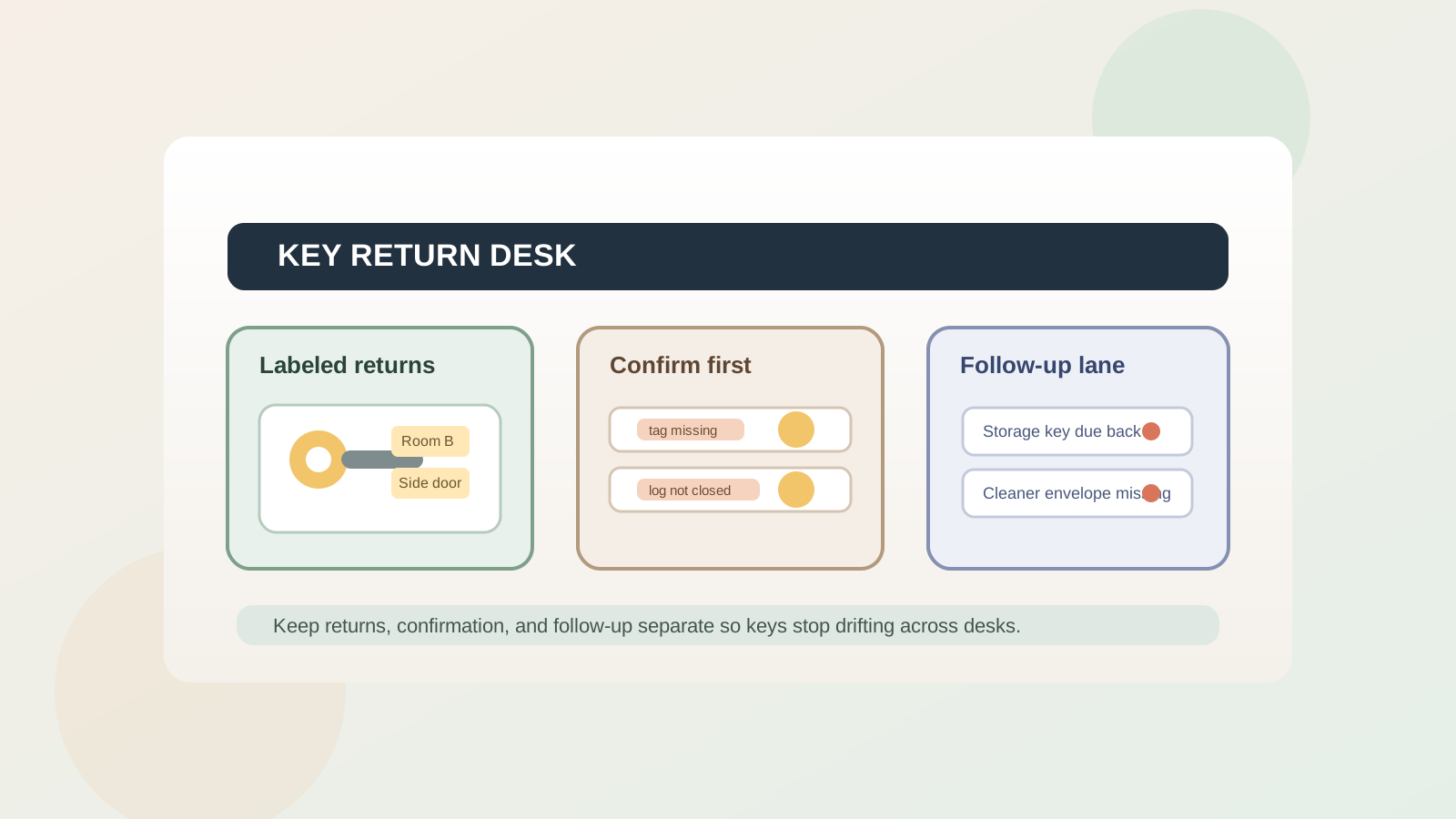
An office key drop station works best when it separates fresh returns, keys that still need confirmation, and missing-key follow-ups instead of treating every hand-back like the same small event.
In practice, that usually means:
- giving returned keys one visible drop point instead of several informal ones
- separating labeled returns from keys that still need identification or log confirmation
- keeping missing or overdue key follow-ups in their own lane instead of in people’s heads
- placing the station near the real return path, not only near the main key cabinet
- clearing the drop station on a short schedule so it supports circulation instead of becoming backup storage
That usually works better than asking everyone to remember the right next step while keys are still moving through a busy office.
Why key returns create clutter even in offices with a good cabinet
A key cabinet solves storage.
A key drop station solves transition.
Those are different jobs. The cabinet answers: where does this key live when everything is normal? The drop station answers: what happens in the few minutes or few hours after a key comes back?
That transition gets messy when offices are handling several return situations at once:
- a key handed back during a busy front-desk moment
- a key dropped off after hours
- a key returned without the tag it left with
- a key that came back, but still needs a sign-in check
- a key that should have returned already, but did not
- a mystery key left in an envelope with incomplete notes
When those all share one tray, people stop knowing which keys are actually ready again and which ones still need a decision.
Organize by return status before you organize by key name
A lot of offices organize keys only by destination: conference room, supply room, side door, mail room.
That makes sense once the key is ready for the cabinet.
It does not help much while the key is still in return mode.
A better drop station gives each status one meaning:
| Zone | What belongs there | What should stay out |
|---|---|---|
| labeled returns | keys returned with a clear tag, envelope, or sign-out reference and waiting for a quick check | overdue keys, broken tags, unrelated desk items |
| confirm before rehooking | keys that came back without a clear log update, missing a ring, or needing identity confirmation | keys already ready for normal circulation |
| follow-up lane | notes on missing, late, or partial returns; expected keys not back yet; issues needing outreach | fresh returns that are already in hand |
| support pocket | spare tags, return envelopes, pens, and one short reference card for the process | office mail, packages, badges, or delivery paperwork |
This matters because a key drop station should not only hold metal objects. It should show what happens next.
Put the drop point where people actually hand keys back
Many offices place all key control around the cabinet and then wonder why returns keep landing somewhere else.
That usually happens because the real hand-back path is different from the official storage path.
Returns may happen at:
- the reception desk
- a facilities counter
- a shared admin desk
- an after-hours slot near an entry door
- a team lead’s work surface
If keys usually come back at reception, the drop station should support reception. If they come back after hours, the setup needs a secure return method that still feeds the next-morning check process.
A good rule is simple: place the drop station at the point of return, then move keys into the cabinet only after the return step is complete.
Keep returned keys out of the ready cabinet until the return is truly done
This is the easiest mistake to fix.
A key comes back, someone recognizes it, and it gets hung right back on the hook. That feels efficient, but it can hide small problems:
- the return was never marked
- the tag is wrong
- the ring came back without the backup key
- the key was returned late and the pattern was never noted
- the key came back with a note about a stuck lock or access issue
A better rule is: returned is not yet ready.
Give each key one brief pause in the drop station before it re-enters the cabinet. That pause can be short, but it keeps the office from confusing physical return with completed return handling.
Separate missing-key follow-ups from the keys that already came back
Offices lose time when missing keys live as a vague memory instead of a visible category.
Someone says the side-door key should be back by lunch. Another person mentions that the storage closet ring returned without the cabinet key. A cleaner was supposed to leave one set in the envelope box last night, but nobody confirmed it this morning.
If those follow-ups stay verbal, the drop area looks quiet while the real problem stays unresolved.
Use one thin follow-up lane for:
- keys not returned by the agreed window
- returns missing part of the set
- keys expected from a contractor, cleaner, or vendor
- access issues that need a note before the key goes back into use
That makes the drop station operational, not passive.
Give after-hours returns a different path from daytime desk hand-backs
Not every return arrives under the same conditions.
A daytime hand-back may only need a quick check. An after-hours drop may need:
- a labeled envelope or pouch
- a tamper-evident slot or lockbox
- a note with date, time, and sender
- a morning review step before the key re-enters circulation
If both return types use the same open tray, the office has to guess too much the next day.
Even a simple office setup works better when after-hours returns have one secure entry point and one morning processing lane rather than blending into the same surface as live reception work.
Stop the key drop station from sharing space with everything else at the desk
A drop station gets muddy fast when it starts living inside another pile.
That usually means keys end up beside:
- visitor badges
- package slips
- sign-in sheets
- pens and tape
- delivery notes
- random items left for facilities
The more mixed the surface becomes, the more likely a returned key is to look like one more small object that can be dealt with later.
Keep the station physically tight. It does not need much room. It needs a clear boundary.
A short reset that keeps the station useful
A key drop station should never require a big weekly rescue to stay readable.
A short routine is usually enough:
- move labeled returns through the quick confirmation step
- rehook only the keys that are fully cleared
- move uncertain returns into confirm-before-rehooking, not back into circulation
- review the follow-up lane and escalate anything still missing
- clear out unrelated papers or desk clutter that wandered into the station
That reset keeps the station acting like a handoff tool instead of a parking spot.
Signs your office needs a real key drop station
1. Returned keys keep landing in different places
That usually means the office has storage but no shared return path.
2. People say a key is “back somewhere”
That usually means return status is being tracked by memory, not by location.
3. Reception or admin desks keep absorbing access items
That usually means the return point is real, but the station around it is missing.
4. Missing keys are noticed late
That usually means fresh returns and overdue follow-ups are visually blended together.
Where TidySnap helps
Key-return clutter is easy to underestimate because the footprint is small. One photo often makes the pattern obvious: returned keys mixed with papers, no clear difference between confirmed and unconfirmed hand-backs, and follow-up notes hiding under unrelated desk items. TidySnap can help turn that real drop area into a clearer plan for returns, confirmation, and missing-key follow-up.
Final thought
A good office key drop station is not the same thing as a key cabinet.
The cabinet stores access. The drop station protects the handoff between use and storage.
When returned keys, unconfirmed returns, and missing-key follow-ups each have a clear place, the office spends less time searching desk surfaces, less time asking who last saw the key, and less time rebuilding the same access history from memory.