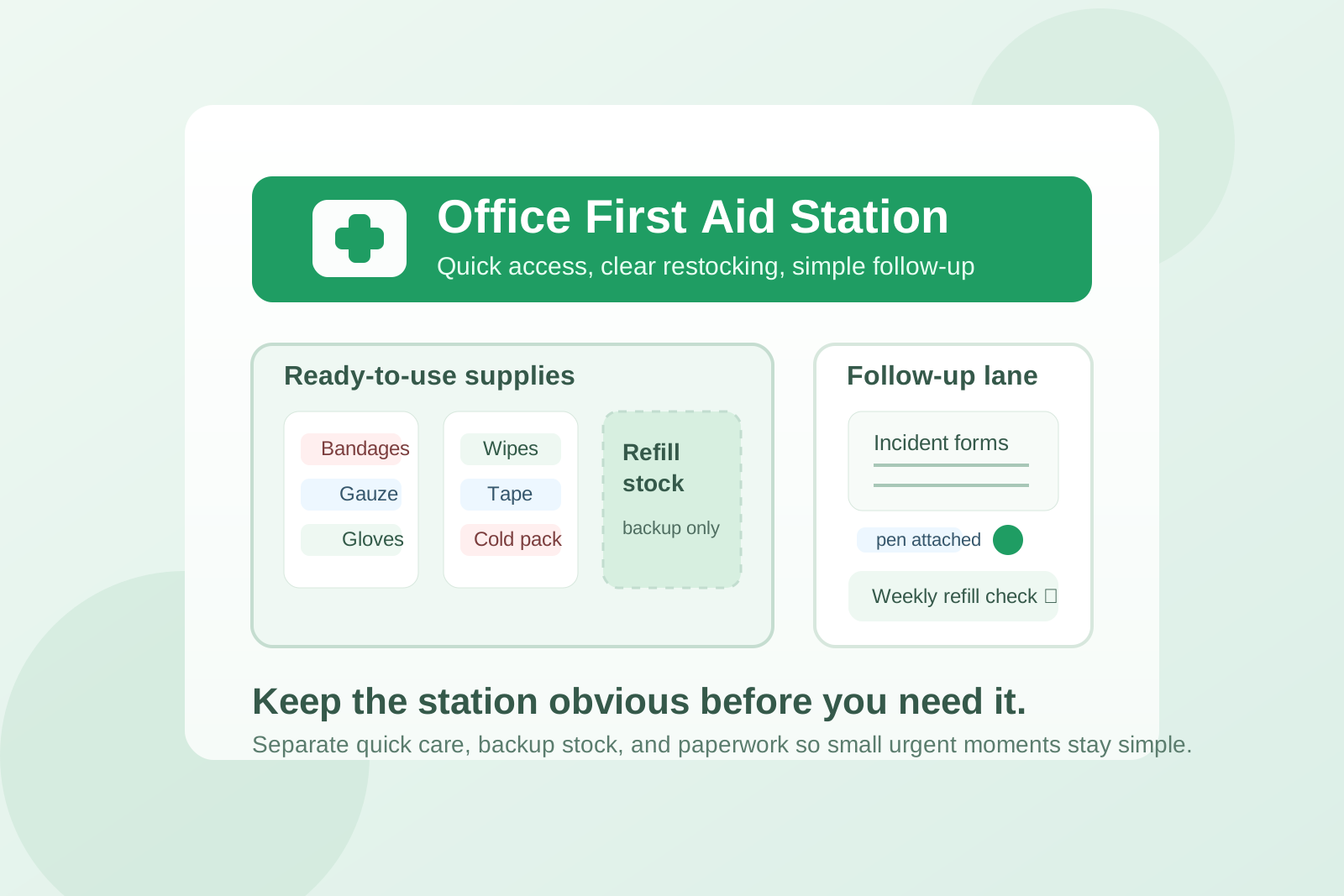
Office First Aid Station Organization for Bandages, Incident Forms, and Refill Checks
Office clutter is not always about work tools.
Sometimes it shows up in the place people only notice when something already went wrong.
A coworker gets a paper cut and finds three boxes of bandages, but two are empty. The instant cold pack is buried behind random medicine packets. Somebody remembers there was an incident form somewhere near the first aid kit, but now it is mixed with takeout napkins, spare batteries, and an old bottle of hand sanitizer. The supplies technically exist, but nobody trusts the station when they need it fast.
If you need to organize an office first aid station, the goal is not making safety supplies look tidier on a shelf. The goal is making basic care items easy to grab, refill needs easy to see, and documentation easy to find before a small problem turns into a slow search.
Quick answer
To organize an office first aid station:
- separate grab-now treatment items from backup refill stock
- keep the most common supplies visible in one active front layer
- give forms, instructions, and contact information their own dry zone
- remove expired, damaged, and mystery items on a short review schedule
- stop the station from absorbing unrelated office extras just because it has a drawer or shelf nearby
That usually works better than stuffing more supplies into one box that nobody checks until someone needs it.
Why office first aid stations get messy so easily
First aid clutter builds differently from desk clutter or supply-cabinet clutter.
People do not use the station constantly, so small problems stay hidden longer. One half-used bandage box does not feel urgent. One empty glove sleeve gets pushed aside. A pain reliever bottle is added without checking what is already there. Then a few months later, the station contains:
- active care items people need right away
- backup stock waiting for refills
- expired or partly used supplies nobody reviewed
- paperwork for incidents or restock notes
- unrelated items someone stored there because it felt medical or emergency-adjacent
That mix is the real problem.
A first aid station becomes unreliable when quick-use supplies, backup stock, and admin materials all live in the same visual layer.
Organize by response speed, not by packaging size
A lot of offices store first aid items wherever they fit.
Boxes on one shelf. Bottles in one drawer. Cold packs behind the kit because there was room.
That sounds fine until someone needs one thing quickly.
A better structure is based on response speed.
| Zone | What belongs there | What should stay out |
|---|---|---|
| immediate care | bandages, gauze, antiseptic wipes, gloves, cold packs, tape, simple grab-now items | sealed refill cases, extra admin forms, unrelated supplies |
| refill backup | unopened replacement stock for the active station | loose half-used items and expired products |
| forms and guidance | incident forms, emergency contacts, basic instruction sheet, refill checklist | drinks, snacks, pens from other stations |
| review lane | questionable, expired, damaged, or incomplete items waiting for a decision | anything people may need during a real minor injury |
This works because the station starts answering the actual question: what can I use right now without digging?
Keep the active layer smaller than you think
A crowded first aid shelf can look well stocked while still being hard to use.
Most offices do not need every backup box visible in the main grab area. They need one clean working layer that makes common items obvious. That usually means:
- one current box of bandages in the main sizes people use most
- one visible set of antiseptic wipes or cleaning pads
- one easy-to-reach pair or small sleeve of gloves
- one clearly visible cold pack or burn-care item if your office keeps them
- one small tape or gauze section that is not hidden behind bulk stock
When backup cartons and duplicates sit in front, the station starts feeling fuller while becoming slower.
Separate treatment supplies from documentation
A small office first aid station often gets slowed down by paperwork confusion.
People remember there should be a form, a contact number, or some basic guidance nearby, but those materials end up folded into the bottom of a drawer or mixed with spare labels and old notes.
Keep paperwork in its own dry, visible zone.
That zone might include:
- incident report forms if your office uses them
- emergency or building contact numbers
- refill checklist or restock log
- a short note on who handles replenishment
The point is not to create a bureaucratic mini-station. The point is to stop forms from competing with bandages for the same physical space.
Do not let pain relief, wellness extras, and medical basics blur together
One reason first aid stations get messy is that offices slowly combine different categories.
Bandages and antiseptic wipes become mixed with:
- cough drops
- pain relievers
- allergy tablets
- hand sanitizer backups
- random tissues or comfort items
Some of those may belong nearby, but they do not all serve the same job.
If your office keeps over-the-counter wellness items, give them a separate boundary from true first aid basics. Otherwise people searching for one adhesive bandage end up sorting through a grab bag of general health extras.
Give expired and half-used items one decision point
First aid stations create quiet clutter when nobody wants to be the person who throws something away incorrectly.
A partly used box may still be fine. A sealed item may be expired. An opened supply pouch may no longer be trusted, but nobody wants to remove it without checking.
That hesitation is normal.
What does not work is letting doubtful items stay mixed into active supplies.
Use one small review lane for anything that needs a fast decision:
- expired items waiting to be discarded properly
- opened but questionable supplies
- damaged packaging
- incomplete kits that need refill parts
That keeps uncertainty from spreading across the whole station.
Stop the first aid area from becoming a random emergency drawer
Shared office stations attract unrelated extras.
Once a shelf or drawer is labeled first aid, people start dropping in items that feel vaguely connected:
- spare batteries for flashlights
- old masks
- stain wipes
- snack bars
- paper napkins
- extra sanitizer pumps
- random tools from facilities
That expansion makes the station harder to trust because every visit starts with filtering out things that are not part of basic care.
If an item does not support minor injury response, refill backup, or required documentation, it probably belongs somewhere else.
Build one short refill check into the routine
First aid stations stay useful when somebody can answer three simple questions quickly:
- do we have the basic items people need right away?
- is backup stock still present for the most-used supplies?
- is anything expired, empty, or sitting in the review lane too long?
A short monthly check is usually enough for many offices:
- remove empty packaging and obvious trash
- replace one active box from backup stock when needed
- pull expired or damaged items into the review lane
- confirm the forms and contact sheet are still easy to find
- note what needs replenishment before the station quietly runs thin
That usually works better than discovering the gaps during the next minor emergency.
Where TidySnap helps
First aid stations often look acceptable at a glance because the supplies are small and contained.
A real photo makes it easier to spot the actual friction: active bandages buried behind refill boxes, paperwork mixed into the treatment area, and unrelated extras crowding the same shelf. TidySnap can help you map a cleaner active zone, backup zone, and review lane before you start emptying the whole cabinet.
FAQ
What should stay in the active first aid zone?
Keep only the simple items people may need immediately for minor injuries, such as bandages, antiseptic wipes, gloves, gauze, tape, and similar basics your office actually uses.
Should backup stock stay in the same box as active supplies?
Usually no. One active layer and one separate refill layer are easier to read than a single overstuffed kit.
Where should incident forms go?
Keep them near the station but in their own dry, clearly visible section so they do not get buried under medical supplies.
How often should an office first aid station be checked?
In many offices, a short monthly review is enough. The important part is checking before items expire, run out, or disappear into a mixed drawer.