Office Coat Closet Organization for Umbrellas, Spare Layers, and Rainy-Day Overflow
An office coat closet usually does not fail because people own too many jackets.
It fails because one small storage spot ends up handling every outerwear problem the office does not want to see in the open.
A damp umbrella gets shoved onto the floor because the hooks are full. Someone hangs a guest coat over a backup tote bag that was left there from last month. A puffer jacket takes up half the rod. Extra scarves, reusable shopping bags, and old event ponchos gather on the top shelf because nobody knows where else they should go. Then a rainy morning hits, and suddenly the closet is not absorbing clutter anymore. It is sending it back out into desk chairs, filing cabinets, hallway corners, and the back of the reception area.
If you need to organize an office coat closet, the goal is not making it look like a boutique wardrobe. The goal is making everyday outerwear, wet-weather items, and overflow storage easier to separate so the closet can actually protect the rest of the workspace from seasonal clutter.
Quick answer
An office coat closet usually works better when you:
- separate daily coats from occasional or backup outerwear
- keep umbrellas and wet-weather gear out of the main hanging lane
- give guest or temporary items a short-term holding spot instead of mixing them with staff storage
- remove old overflow that is no longer supporting the current season
- keep one small review area for unclaimed or unclear items instead of letting them drift across the whole closet
That usually helps more than adding more hooks to a closet that still mixes active coats, damp items, and leftover overflow in one compressed space.
Why office coat closets become clutter magnets
A coat closet sits at the edge of several different office routines:
- daily arrivals and departures
- rainy-day or cold-weather overflow
- guest or meeting-related outerwear
- spare items people want nearby just in case
- leftover personal items nobody has fully claimed or cleared
Those categories look close enough that they often get stored together without much thought.
But they behave differently.
Daily coats need quick access. Wet umbrellas need containment. Guest items need short-term visibility. Abandoned extras need a decision. When everything lands in the same narrow closet, the space stops answering a basic question: What belongs here for normal office use, and what is just lingering because nobody moved it out?
Organize the closet by use pattern, not by clothing type alone
A lot of coat closets get sorted only by object type. Jackets on the rod. Umbrellas in a corner. Bags on a shelf if there is room.
That sounds simple, but it still forces people to dig through mixed-status storage every time the weather changes or a busy morning hits.
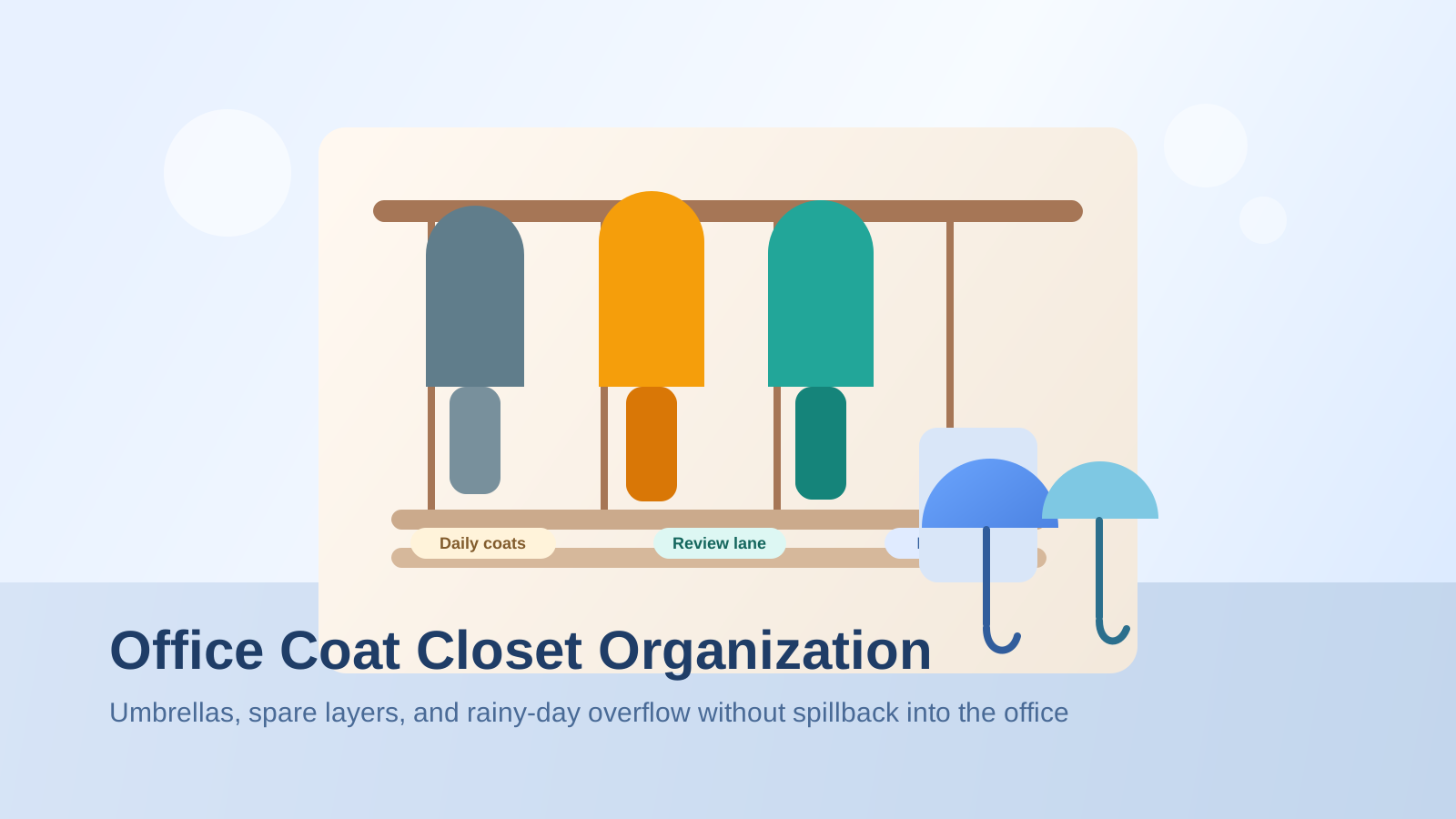
A more useful layout gives each part of the closet a job:
| Zone | What belongs there | What stays out |
|---|---|---|
| daily outerwear lane | the coats and light layers people actually use during the current week | event leftovers, backup totes, and forgotten extras |
| wet-weather zone | umbrellas, rain jackets, drip-prone items, and anything that should air out before full storage | dry coats, paper items, and electronics |
| short-stay guest area | temporary coats or meeting-day overflow that should leave again soon | permanent staff storage and unresolved old items |
| seasonal or backup shelf | off-routine cold-weather gear, spare compact umbrellas, or low-use extras worth keeping | random bags and old personal clutter |
| review lane | unclaimed scarves, mystery jackets, old tote bags, and items waiting for a decision | current daily coats and guest items |
This works because a coat closet is not only a place to hang jackets.
It is a buffer between messy weather, personal gear, and the work areas that should stay clearer.
Keep umbrellas out of the coat lane
Umbrellas create a different kind of clutter from coats.
They drip, tip over, slide behind hanging clothes, and make the whole closet feel messier than it is. Once they start sharing floor space with long coats or tote bags, people stop trying to place them well. They just get them out of the way fast.
A better rule is:
- keep umbrellas in one contained lower zone or stand area
- separate actively wet items from dry backup umbrellas
- do not let the umbrella area become the place for random floor overflow
- keep paper goods, boxes, and fabric extras away from anything still damp
That one change often makes the closet easier to trust on rainy days, which is exactly when office storage tends to break down fastest.
Treat guest coats and meeting overflow as temporary, not permanent storage
Many offices do not have a formal guest coat area, so the main coat closet quietly absorbs:
- visitor jackets during long meetings
- team event overflow
- conference-day outerwear spikes
- borrowed layers or emergency rain gear
That is fine until temporary items start behaving like permanent residents.
If guest coats or overflow regularly share the same packed section as daily staff outerwear, people lose track of what should leave by the end of the day and what actually belongs there all week.
Use one simple distinction:
- daily items get the easiest regular access
- guest or event items get one short-stay section
- anything still there after the meeting, event, or weather spike needs review
That keeps the closet from carrying yesterday’s unusual traffic into normal daily use.
Stop the top shelf from becoming a storage confession zone
The top shelf in an office coat closet often collects the items nobody wants to make a real decision about.
That can include:
- old reusable bags
- spare hangers no one sorted
- event ponchos
- unclaimed hats and scarves
- extra tissue boxes or paper towels
- promotional totes
- backup umbrellas no one has counted in months
Individually, none of those items seems dramatic.
Together, they turn the closet into a place where outerwear shares space with general office hesitation.
If something supports the current coat-closet job, keep it. If it is just surviving on an upper shelf because it fit there once, it probably belongs somewhere else.
Keep one small review lane for unclaimed outerwear
A coat closet feels harder to use when one or two unclear items block the whole flow.
It might be a jacket no one has asked about in weeks, an umbrella that has migrated between departments, or a tote bag full of unknown items. Those objects create more friction than their size suggests because everyone works around them instead of resolving them.
Use one narrow review lane for:
- outerwear with no obvious owner
- old rain gear no one seems to use
- guest leftovers from meetings or events
- mystery bags or fabric items that should not sit in the daily lane
The key is keeping that lane intentionally small. If it grows, the office needs a decision, not a bigger closet.
A quick reset that keeps the closet usable
A coat closet usually stays under control with one short pass instead of occasional big cleanouts:
- move wet umbrellas and rain gear back into their own boundary
- clear daily hooks or rod space that got taken over by short-stay overflow
- pull old or unclear items into the review lane
- remove anything from the floor that does not belong in the wet-weather zone
- clear top-shelf extras that are no longer supporting the current season
That routine keeps the closet functioning as a buffer instead of letting it turn into hidden clutter storage.
Where TidySnap helps
Closets are easy to underestimate because you can close the door on the problem. In a real photo, though, the pattern becomes obvious fast: umbrellas blocking the floor, heavy coats compressing the main lane, overflow bags on the shelf, and temporary items quietly becoming permanent. TidySnap can help you map a cleaner coat-closet layout before the next rainy week pushes all that outerwear back into the office.
FAQ
What should stay in an office coat closet every day?
Only the outerwear, umbrellas, and related items that support normal office traffic during the current season. Everything else should be limited, reviewed, or stored somewhere more appropriate.
Should umbrellas stay in the same area as hanging coats?
Usually no. Umbrellas create wet floor clutter and are easier to manage in their own contained zone.
How do I stop guest coats from mixing with employee storage?
Give temporary outerwear one short-stay area and clear it after meetings or event days instead of letting it blend into the regular coat lane.
Why does the office still feel cluttered when the coats are technically off the desks?
Because a crowded coat closet can still spill visual and physical clutter back into the office. If the closet cannot absorb daily outerwear cleanly, chairs, cabinets, and hallway edges become the backup system.