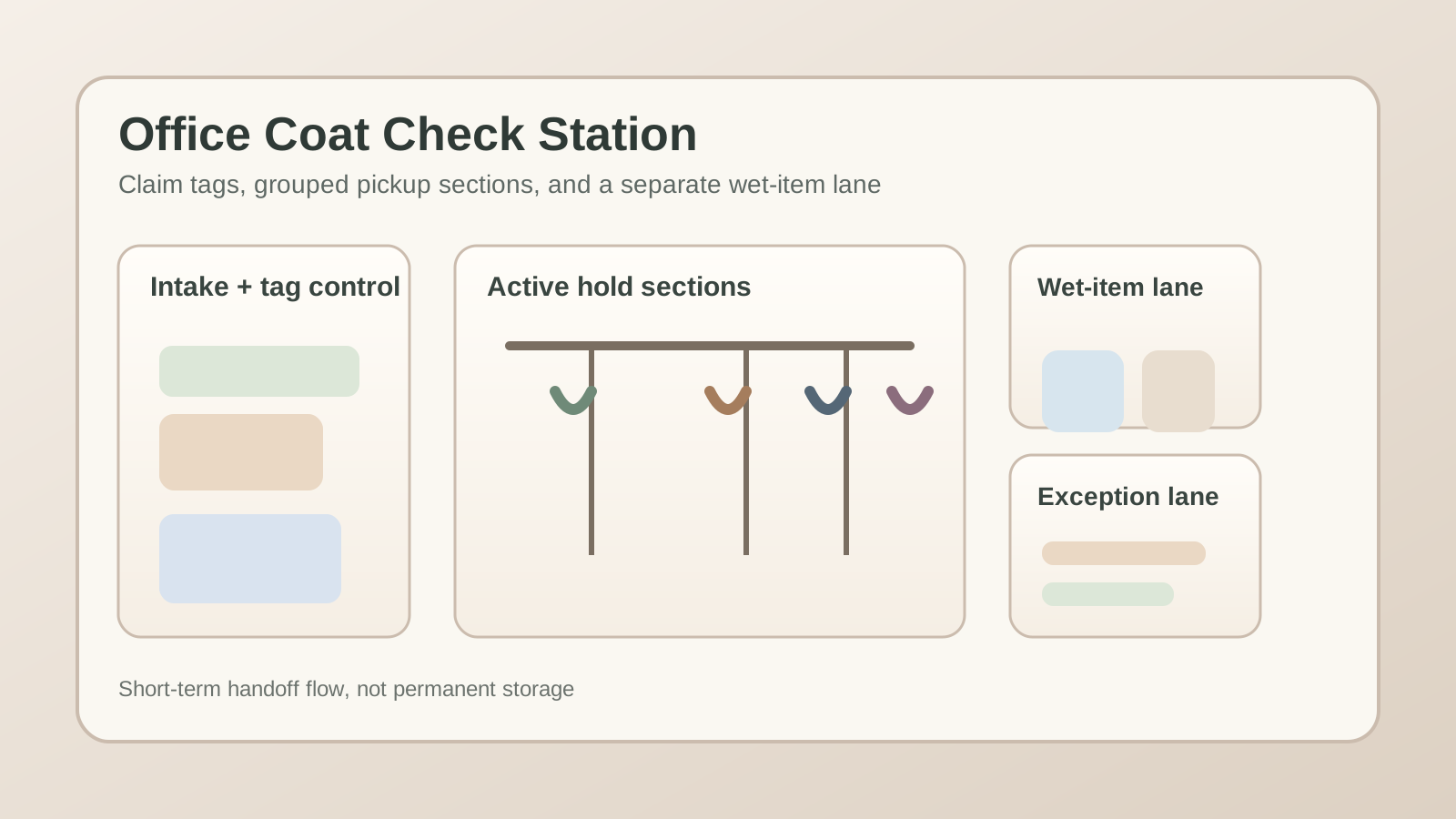
Office Coat Check Station Organization for Claim Tags, Pickup Rush, and Temporary Outerwear
A messy coat check station usually means the office is treating a short-term handoff like a storage problem.
That is why guest coats end up draped over spare chairs, umbrellas slide under the check-in table, claim tags get separated from the items they were meant to track, and the pickup wave feels more chaotic than the arrival wave.
If you want to organize an office coat check station, do not start with more hangers. Start with the flow between drop-off, temporary hold, claim lookup, and pickup. A coat check setup works when it makes short-term custody obvious, not when it simply hides outerwear in a corner.
Quick answer
To organize an office coat check station:
- separate drop-off handling from pickup handling instead of using one all-purpose table
- keep claim tags, backup tags, and item notes in one tight control zone
- group temporary outerwear by claim sequence or section, not by garment type alone
- give umbrellas and wet items a contained side lane so they do not spread into the main handoff path
- keep unresolved items and abandoned extras out of the active pickup zone
That usually works better than adding one more rack to a station that still mixes intake, storage, and pickup into one crowded moment.
Why office coat check setups get chaotic so quickly
A coat check station behaves differently from a normal office coat closet.
A closet supports routine storage. A coat check station supports temporary turnover.
That means the area may be handling:
- arrivals happening in bursts before a meeting, training, or event
- coats, scarves, umbrellas, and tote bags that all arrive together
- handwritten or numbered claim tags that can separate from the item flow
- pickups happening all at once at the end instead of steadily during the day
- a few unresolved items that never get claimed on schedule
When those states share one visible layer, the station stops answering the main question: what can be handed back immediately, and what still needs a match or follow-up?
Organize by handoff stage before organizing by object type
A lot of pop-up coat check areas get arranged by object only. Coats on the rack. Umbrellas in a basket. Tags near the sign-in sheets if there is room.
That sounds tidy, but it does not match the pressure point. The pressure point is not jackets versus umbrellas. It is intake versus retrieval.
A more useful setup gives each stage one job:
| Zone | What belongs there | What should stay out |
|---|---|---|
| intake point | the next few arrivals, tag roll, pen, and one clear instruction card | picked-up items, spare office supplies, and old claim stubs |
| active hold section | items already tagged and ready for pickup by section or number range | untagged coats and abandoned leftovers |
| wet-item side lane | umbrellas, damp rain jackets, and anything that should not touch dry garments | paper tags, electronics, and routine pickup items |
| exception lane | items with missing tags, duplicate numbers, or no-show pickups | clean active inventory that is ready to return |
This matters because a coat check station is really a temporary matching system.
Keep the claim-tag controls tighter than the coat storage
The rack gets the visual attention, but the tags usually decide whether pickup feels smooth.
If claim tags, backup stickers, handwritten notes, and last-minute corrections are scattered between the desk, the host stand, and someone’s pocket, the station becomes hard to trust even when the garments look organized.
Keep one small control zone with:
- the current claim tag set
- backup tags or blanks
- one pen that stays there
- a short note area for damaged, oversized, or special-handling items
The control zone should stay near the intake point, not wander with the crowd.
Make pickup easier by batching the hold area into small sections
A long rack full of similar dark coats creates instant friction during pickup.
Instead of treating the whole rack as one mass, divide it into simple sections such as:
- numbers 1 to 25
- numbers 26 to 50
- event staff or speakers
- oversized bags and non-hanging items
People do not need a beautiful retail system. They need the return path to narrow fast enough that the final handoff does not turn into a search party.
Give umbrellas and damp items their own contained rule
Wet items create a different kind of clutter from coats.
They drip, tip over, and usually land on the floor first. If they share the main pickup lane, they make the whole station feel sloppier than it is.
A better rule is simple:
- umbrellas and damp items go to one side container or drip-safe zone
- that zone stays tied to the same claim process as coats when needed
- loose wet items do not lean on the active rack or sit under the claim-tag supplies
This keeps weather-related overflow from taking over the handoff surface.
Separate unclaimed leftovers from the active pickup rush immediately
The last few items are where many office coat check setups fall apart.
Once pickup slows, a few leftover coats, scarves, or umbrellas often stay mixed into the main area as if the event is still active. Then the office is stuck with a half-dismantled station that nobody wants to own.
Create one small exception lane for:
- items with no claim presented yet
- items with missing or duplicate tags
- things left behind after the scheduled pickup wave
- belongings that need a later follow-up with facilities, reception, or the event host
That lets the active station close cleanly instead of drifting into next-day lobby clutter.
Place the station for traffic, not for empty wall space
A coat check setup often gets placed where a rack happens to fit.
That can backfire if arrivals have to cross the lobby, block the reception queue, or double back through a narrow door. The best location is usually the spot that supports one-way motion: arrive, hand off, move on.
If pickup will happen in a rush, protect enough standing room that people can wait briefly without pressing into the check-in desk or crowding the entry door.
Keep office supplies and welcome materials out of the coat process
Pop-up reception areas attract unrelated items fast.
Name badges, event folders, giveaway bags, extension cords, and drink tickets all try to land on the same table as claim tags. Once that happens, the station stops being a coat check point and starts becoming general event overflow.
Give coat check one narrow job. If another event process needs space, keep it on its own table or shelf.
Use TidySnap if the station keeps spreading into the lobby
If outerwear, umbrellas, and event handoff supplies keep escaping the station boundaries, the issue may be the overall layout around reception or the event entrance.
TidySnap can help you review a photo of the area, spot which surfaces are accidentally becoming part of the coat workflow, and reset the setup so drop-off and pickup stay contained.
A simple office coat check station that works
For most offices, a practical setup looks like this:
- one intake corner with claim tags and a short instruction sign
- one divided hold rack or grouped holding area
- one side container for umbrellas and wet-weather items
- one exception lane for missing tags and late pickups
- one fast closeout step that moves leftovers out of the active station after the rush
That is enough to keep a temporary outerwear station from turning into an all-evening pile of coats and guesswork.