Office Cleaning Supply Closet Organization for Spill Kits, Spray Bottles, and Fast Refills
An office cleaning closet usually does not feel chaotic because it has too many supplies.
It feels chaotic because everything inside seems equally urgent until someone needs one specific thing right now.
A spray bottle gets shoved behind unopened paper towel packs. Extra trash liners slide under half-used wipes. Someone borrows the last roll of disinfecting wipes for a conference room cleanup and leaves the empty canister back on the shelf. A spill kit is technically in the closet, but it is buried behind bulk hand soap and old air fresheners. Then coffee gets knocked over near a shared desk, or the break room runs out of paper towels, and a closet full of supplies suddenly acts like it has nothing useful in it.
If you need to organize an office cleaning supply closet, the goal is not making the shelves look more official. The goal is making fast cleanup items, refill stock, and less-frequent supplies easy to separate so people can reset a workspace quickly without digging through a mixed utility pile.
Quick answer
An office cleaning supply closet usually works better when you:
- separate daily grab items from bulk refill stock immediately
- keep spill-response supplies in one visible fast-access zone
- group supplies by cleanup destination, not only by product type
- keep open bottles and partial packs out of sealed backup stock
- give broken, leaking, or unclear items one review lane instead of letting them drift across shelves
That usually helps more than adding more caddies to a closet that still mixes break room refills, desk wipe-down supplies, and deep-clean extras in the same visual layer.
Why office cleaning closets become unreliable so fast
Cleaning closets support a lot of small office problems that happen at inconvenient times:
- a coffee spill near the printer
- an empty soap dispenser in the restroom or break room
- a conference table that needs a quick wipe before a client visit
- a trash can that needs a new liner during the afternoon
- a shared desk reset that needs fresh wipes right away
- paper towels running out exactly when someone is trying to clean up a leak
That traffic creates several supply statuses that look related but behave very differently:
- daily-use wipe-down items
- refill stock for soap, liners, and paper products
- spill-response supplies people need fast
- stronger or less-frequent products used only occasionally
- half-used bottles, loose rolls, and damaged packaging waiting for a decision
When those all share one crowded shelf wall, the closet stops answering a basic question: What should I grab first for a quick cleanup, and what should stay back as reserve stock?
Organize the closet by response speed before product type
A lot of offices sort cleaning supplies by object category only. Sprays together. Paper products together. Trash liners somewhere below.
That sounds tidy, but it still forces people to decode status while they are already responding to a mess.
A more useful layout gives each zone a job:
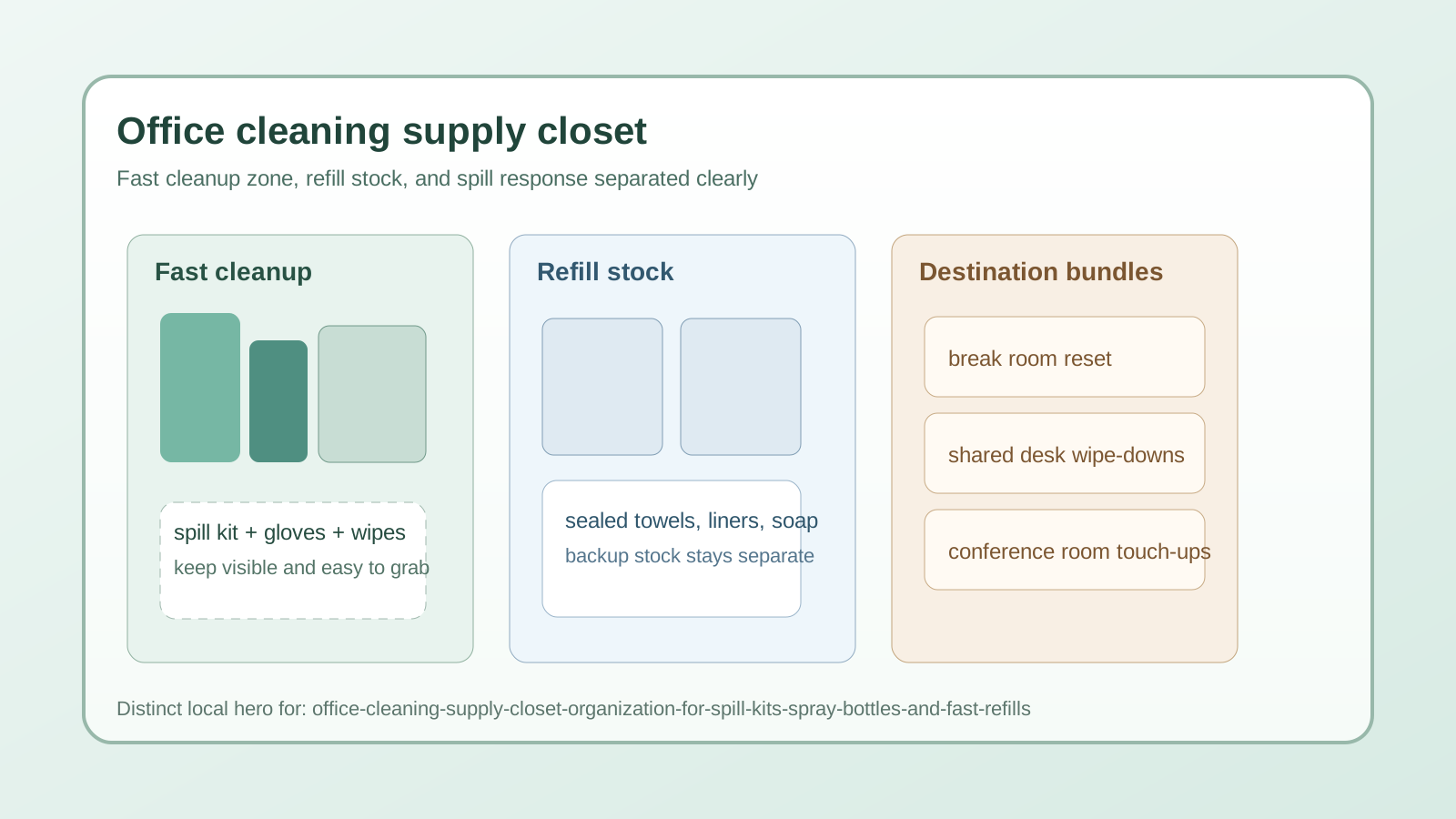
| Zone | What belongs there | What stays out |
|---|---|---|
| fast cleanup zone | wipes, paper towels, all-purpose spray approved for daily use, gloves, one small spill kit | bulk refill cartons, specialty chemicals, random overflow |
| refill stock zone | unopened liners, soap refills, backup paper towels, spare wipe canisters | half-used bottles and active grab items |
| destination bundles | grouped supplies for break room, restroom, shared desk area, or conference room resets | mixed items with no clear next use |
| deep-clean or occasional zone | low-frequency products, extra scrub tools, seasonal cleanup items | the daily supplies people need in seconds |
| review lane | leaking bottles, damaged packaging, mystery items, nearly empty duplicates | clean active stock and sealed reserve |
This works because a cleaning closet is not just storage.
It is a response station for little office interruptions.
Keep spill-response supplies in one obvious lane
This is the part many offices miss.
The supplies people need most urgently are usually not the supplies they use in the biggest quantities. A spill kit, gloves, absorbent towels, or a quick-safe spray bottle may take up very little room, but when those items disappear behind refill stock, every cleanup feels slower than it should.
A better rule is simple:
- keep one easy-reach lane for spill and wipe-down response
- do not bury that lane behind bulk cartons
- do not let that lane become overflow space for extra stock
- restock it from reserve instead of expanding it into a second mixed shelf
When the fast-response lane stays readable, the closet becomes useful during the exact moments people are least willing to search.
Group refills by where they go next
Cleaning closets often feel fuller than they are because refill supplies are stored as one generic category.
But in practice, people are usually restocking a specific destination:
- break room paper towels and hand soap
- restroom liners and paper products
- shared desk wipe-down supplies
- conference room cleaning basics
- front-desk or reception touch-up items
If those destination groups are always pulled together in real life, the closet should reflect that. One small bundle or shelf section per destination usually works better than making people collect liners from one shelf, wipes from another, and soap from a third shelf every time something runs low.
You are organizing for refill runs, not for a janitorial catalog.
Separate open bottles and partial packs from sealed stock
A cleaning closet becomes harder to trust when every shelf mixes active products with backups.
One open canister of wipes is normal. Three half-used canisters on different shelves makes it harder to know whether the office is actually low or just messy. The same goes for partly used trash liner rolls, refill jugs with unclear amounts left, or spray bottles that may or may not still be usable.
Use one rule:
- keep one active container per product in the fast-use area when possible
- move unopened extras into refill stock
- pull weak duplicates, leaks, and unclear leftovers into the review lane
That makes the closet easier to count without creating a formal inventory project.
Stop the cleaning closet from absorbing unrelated storage problems
Once a closet has shelves and a door, people start treating it like safe overflow.
That is how offices end up storing things like:
- old event tablecloths
- random office tools
- extra mugs or pantry items
- broken dispensers nobody has decided about
- leftover décor supplies
- outdated signage or hardware
Those items may all feel facility-adjacent, but they slow down the closet’s real job.
If something does not support daily wipe-downs, refill runs, spill response, or a defined review lane, it probably belongs somewhere else.
Build one short reset routine for the closet itself
A cleaning closet stays usable when somebody can do one quick pass without reorganizing the whole room:
- refill the fast cleanup lane from backup stock
- pull leaking or nearly empty products into the review lane
- regroup refills by destination if items drifted during the week
- remove empty cartons and used-up rolls immediately
- clear anything unrelated before it starts living there permanently
That five-minute routine usually helps more than an occasional deep cleanup after the closet already feels annoying.
Where TidySnap helps
Cleaning closets are easy to underestimate because closed doors hide the friction. In a real photo, though, the pattern shows up fast: spill-response items buried behind reserve stock, half-used products mixed with sealed refills, and break room supplies competing with every other cleanup task. TidySnap can help you map a faster cleaning-closet layout before the next refill run or coffee spill turns into another shelf search.
FAQ
What should stay in the fast cleanup zone?
Keep only the items people need immediately for common office messes, such as paper towels, approved surface spray, wipes, gloves, and one small spill-response setup.
Should refill stock stay on the same shelf as active cleaning supplies?
Usually no. One active lane and one separate refill layer are easier to read than one crowded shelf that mixes both statuses.
How do I stop the closet from filling with half-used products?
Keep one active container per product when possible and move duplicates, leaks, or questionable leftovers into one review lane for a quick decision.
What is the fastest way to make an office cleaning closet easier to use?
Create one visible spill-response lane, separate backup refills from active supplies, and group common restock items by where they are used next.