Office Break Room Fridge Organization for Labeled Lunches, Leftovers, and Cleanout Day
An office fridge usually does not become gross all at once.
It gets there one reasonable container at a time.
Someone puts a lunch bag on the top shelf because the lower shelf looks full. A takeout box gets pushed to the back because it might still be good tomorrow. Two sparkling water cans are left beside a half-empty creamer bottle that nobody knows is personal or shared. By Friday, one shelf is blocked by oversized meal-prep containers, another has loose condiment packets and yogurt cups, and cleanout day feels less like a reset than a small confrontation.
If you are trying to organize an office break room fridge, the goal is not making it look like a showroom. The goal is making shared cold storage easier to read, easier to use, and easier to clear before old food turns into quiet break room friction.
Quick answer
An office break room fridge usually works better when you:
- separate personal lunches from shared items and longer-hold leftovers
- label by time limit, not only by owner name
- keep grab-fast daily items in the most visible shelf space
- stop condiment overflow and drink drift from taking over food zones
- make cleanout day feel like the final step of an ongoing system, not the only moment anyone resets the fridge
That usually helps more than adding random bins to a fridge that still treats every item like it can stay indefinitely.
Why office fridges get messy faster than expected
A shared office fridge supports several different behaviors that all look similar from the outside.
It may be holding:
- same-day lunches
- meal-prep containers for the next day or two
- leftover meeting food
- shared creamers, milk, and condiments
- drinks that belong to one person
- drinks meant for the whole team
- half-finished items waiting for someone to decide whether to keep or toss them
That is why the mess rarely starts with one bad item.
It starts when short-stay items, shared supplies, and forgotten food all occupy the same shelves without any visible meaning.
Then people stop trusting the fridge.
They hesitate before moving something. They squeeze a lunch into the nearest gap instead of putting it in the right area. They stop believing cleanout notes, because the fridge already looks like a place where everything stays a little longer than planned.
Organize by fridge status before you organize by food type
Many offices try to organize the fridge by category first. Drinks on one shelf. Lunches on another. Condiments in the door.
That helps a little, but it usually misses the real problem.
The bigger issue is that items have different staying rules.
A better setup gives each shelf or section a clear meaning.
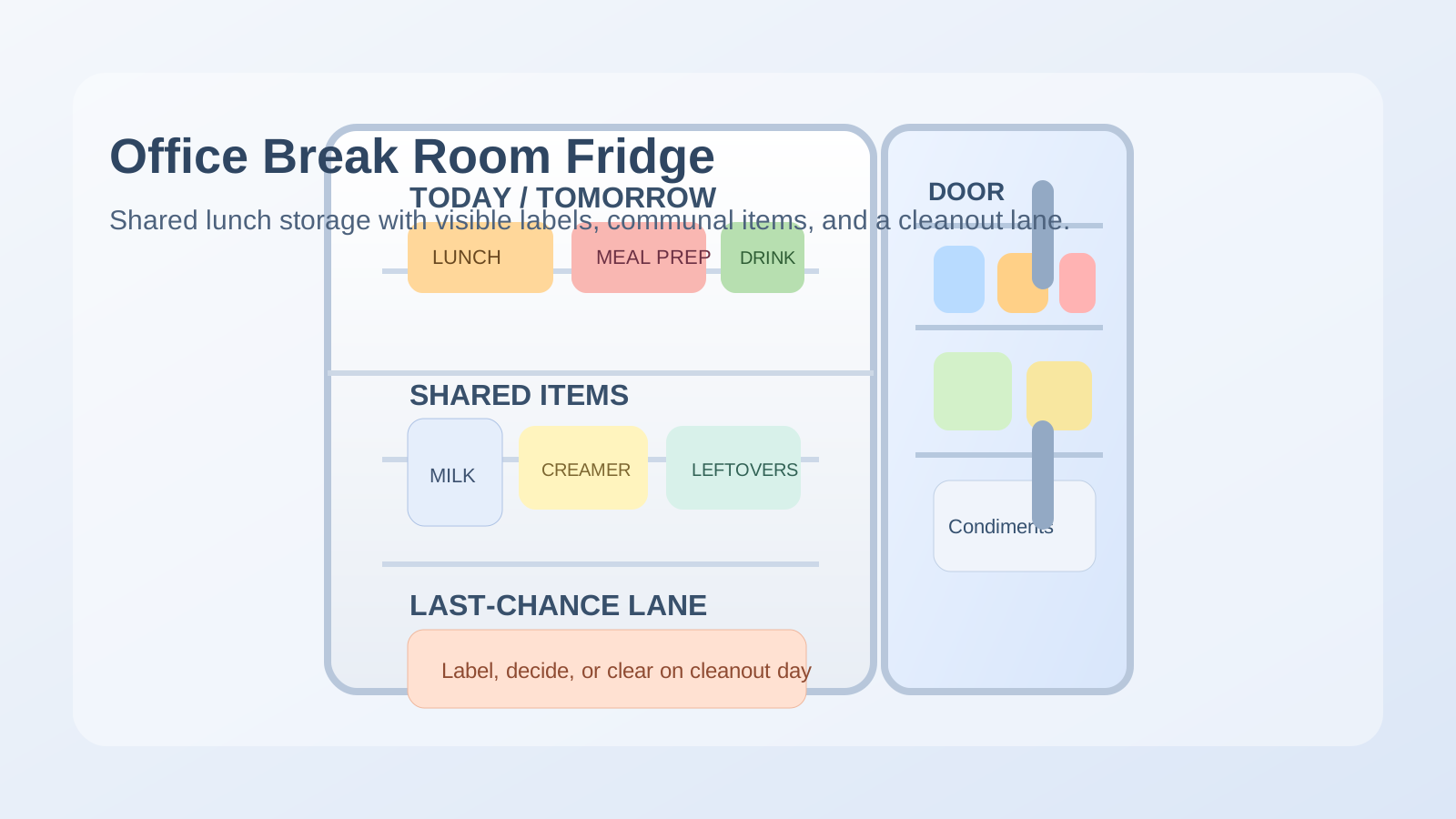
| Zone | What belongs there | What should stay out |
|---|---|---|
| today and tomorrow | labeled personal lunches, short-term meal prep, clearly active containers | expired items, shared creamers, abandoned drinks |
| shared office items | team milk, shared creamers, approved condiments, meeting leftovers meant for everyone | personal lunches and mystery containers |
| last chance or cleanout lane | items close to the discard deadline, leftovers from an event, containers that need a decision soon | fresh lunches that are still in normal use |
| drinks lane | clearly owned drinks or team drinks kept in one narrow section | half-eaten meals and loose condiment packets |
This works because the fridge starts answering the question people actually have: Can I place this here without making the next person guess what it is or how long it should stay?
Label by date and decision window, not by ownership alone
A name label helps, but it is often not enough.
A container labeled “Sam” still tells nobody whether it belongs to today, tomorrow, or last Tuesday.
That is why office fridges keep accumulating items that technically have an owner but functionally have no deadline.
A better label standard is simple:
- owner or team name
- date placed in the fridge
- optional discard day for leftovers or event food
This matters most for:
- meal-prep containers staying more than one day
- leftover pizza or catering trays
- shared creamers or dairy items
- half-used dips, sauces, or cut fruit from office events
The label does not need to be fancy. It just needs to reduce ambiguity fast enough that people can make the obvious call.
Keep shared items from blending into personal food
Shared break room items create a special kind of clutter because they belong to everyone and to no one at the same time.
Milk, creamer, butter, hot sauce, sparkling water, and leftover meeting snacks often drift into personal lunch space because they look harmless. Then one person moves them to make room, someone else cannot find them, and the fridge starts behaving like a puzzle instead of a shared tool.
A better rule is:
- one shelf section or door section for office-shared cold items
- one clear label for event leftovers that are available to everyone
- no shared items hidden behind personal containers
That way, people do not have to inspect each shelf to understand what is communal and what is not.
Use the most visible shelf for short-stay lunches
The easiest way to reduce fridge chaos is to make the shortest-stay items the easiest to spot.
Most office fridge traffic comes from people storing or retrieving lunch during one workday.
So the most accessible shelf should usually support:
- labeled lunches for today
- small meal-prep containers for tomorrow
- a few clearly active drinks if space allows
Do not waste the best shelf on old condiments, oversized platters, or backup drink stock.
A fridge feels more organized when its easiest space matches its highest-traffic use.
Give cleanout day a lane before you need a full cleanout
A lot of offices rely on one weekly or monthly fridge cleanout, but that schedule works only if the fridge makes approaching decisions visible beforehand.
Without that step, cleanout day becomes the first time anyone deals with:
- abandoned lunches n- leftovers from meetings that ended days ago
- leaking containers nobody wants to touch
- unlabeled drinks that may or may not belong to someone still in the office
A last-chance lane makes the process easier.
Move aging or uncertain items there before the official cleanout. That way the whole fridge is not one giant maybe-pile by the time someone has to clear it.
Stop the door and crisper drawers from becoming mystery storage
Office fridges often waste good space because nobody agrees what the side compartments or lower drawers are for.
So they become homes for:
- half-used salad kits
- loose yogurt cups
- personal sauces
- old fruit
- office creamers mixed with somebody’s energy drinks
If your fridge has these zones, assign them on purpose.
For example:
- door for shared condiments and small drinks
- one drawer for event leftovers or overflow produce if your office truly uses it
- no hidden personal storage in the lowest-visibility zones unless the team understands the rule
Hidden zones create forgotten food faster than visible shelves do.
Use a short Friday reset instead of trusting cleanout day alone
Most offices do better with a quick repeatable reset before the real cleanout happens.
A short Friday fridge reset can be:
- remove anything obviously expired or leaking
- move aging items into the last-chance lane
- consolidate shared drinks and creamers back into their section
- throw away empty cardboard, bags, and condiment overflow
- leave the main lunch shelf open enough for the next workday
That reset takes far less effort than a full deep clean, but it keeps the fridge from crossing into mystery territory.
Where TidySnap can help
Shared fridges are hard to judge because every container feels temporarily explainable.
A photo makes the pattern clearer: personal lunches mixed with communal drinks, leftovers hiding behind active food, and the shelf people use most blocked by items that should have left days ago. TidySnap can help turn that real fridge snapshot into a simpler plan for lunch storage, shared items, and pre-cleanout decisions.
Final thought
A good office break room fridge does not need perfect shelves.
It needs clear rules people can follow without thinking too hard.
When active lunches, shared items, drinks, and last-chance leftovers each have a visible lane, the fridge becomes easier to trust. That means fewer mystery containers, faster lunch breaks, and a cleanout day that feels routine instead of overdue.