Office Break Room Dish Return Station Organization for Mugs, Lids, and Drying Overflow
A break room does not have to look filthy to feel annoying.
Sometimes the friction shows up in one damp cluster beside the sink.
A rinsed mug gets left on the counter because the drying rack is full. A reusable lunch container comes back without its lid, so the lid ends up on the windowsill or tucked behind the soap bottle. Someone balances two coffee cups on top of a dish towel because the “clean enough for now” zone and the “needs a real wash” zone are basically the same spot. By the afternoon, the sink may be technically usable, but the whole counter feels like a quiet backup of half-finished cleanup decisions.
If you need to organize an office break room dish return station, the goal is not creating a perfect kitchen system. The goal is making it obvious where used mugs, quick-rinse items, loose lids, and drying pieces should go next so the break room resets faster between waves of use.
Quick answer
An office dish return station usually works better when you:
- separate truly dirty returns from items that are only drying
- give lids, sleeves, and small reusable pieces a contained lane instead of letting them drift across the sink area
- keep cupboard-ready clean dishes out of the return zone entirely
- limit the counter space used for air-drying so damp overflow does not spread into snack or coffee areas
- clear abandoned mugs and unmatched containers before they become semi-permanent break room residents
That usually helps more than adding another rack to a counter that still treats every dish status like the same thing.
Why dish return areas get messy so quickly
The break room sink has to absorb several different moments that all look similar from a distance:
- a mug that needs a quick rinse before reuse
- a lunch container that really needs washing later
- a lid or utensil that is clean but still wet
- a team mug left to dry with no clear owner
- a reusable bottle part that rolls away from the rest of its set
- a dish towel, drying mat, or tray that is holding more than it was meant to hold
That mix is what makes the counter feel muddy.
When people cannot tell what is waiting to be washed, what is only drying, and what is already ready to leave, they stop making clean decisions. They just place the next item wherever there is a patch of space.
Organize by cleanup status before dish type
A lot of break rooms try to organize the area by object category alone. Mugs together. Containers together. Lids somewhere nearby.
That sounds reasonable, but it still forces people to decode status every time they look at the sink.
A better setup gives each part of the station a job:
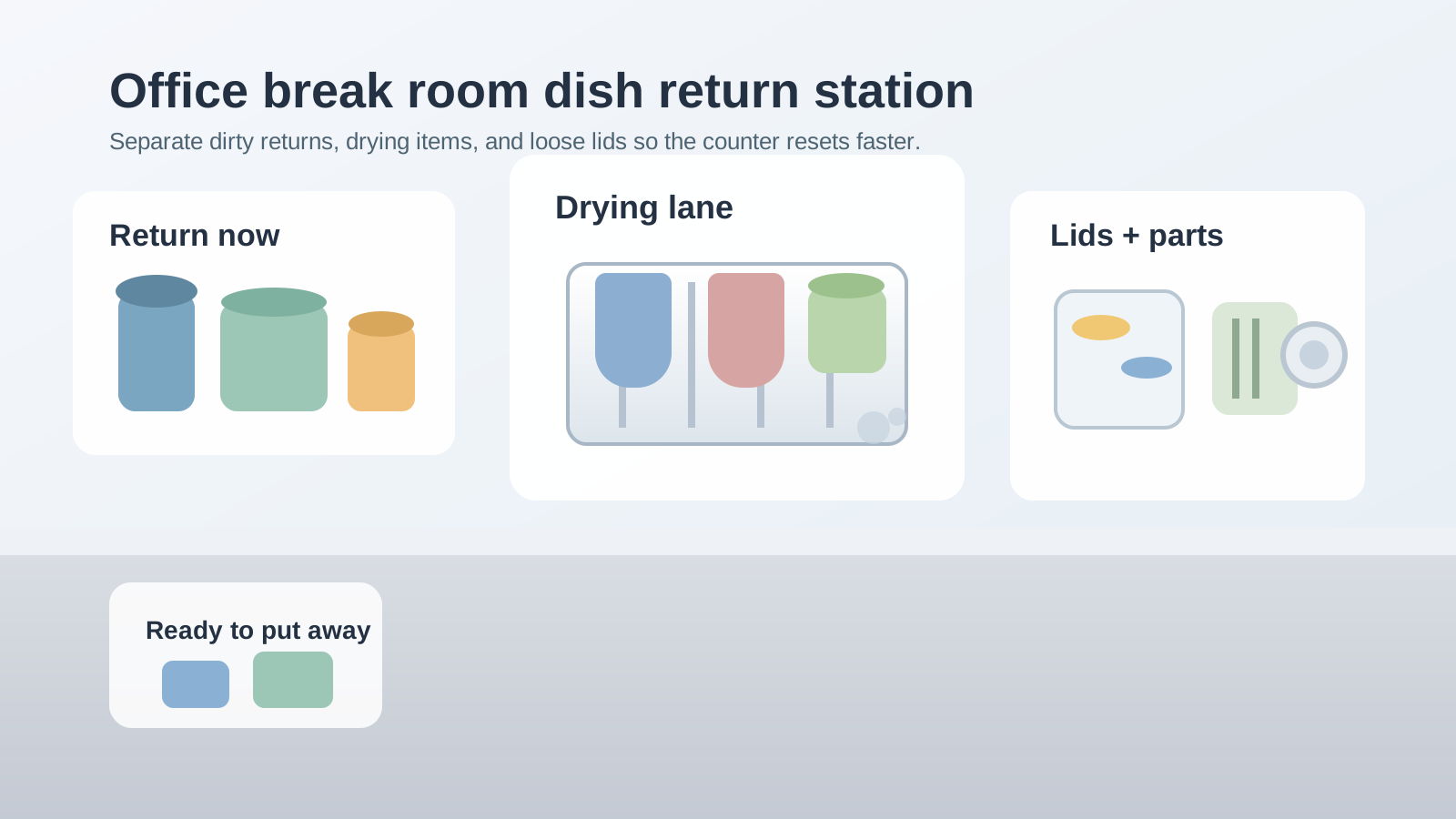
| Zone | What belongs there | What should stay out |
|---|---|---|
| return-now lane | mugs, containers, or utensils that have just been brought back and still need a wash or real rinse | clean dry dishes and backup kitchen supplies |
| drying lane | washed items that are actively air-drying and should leave once dry | abandoned dirty dishes and random snack packaging |
| small-parts cup or tray | lids, straws, bottle caps, and reusable utensil pieces that get separated easily | full mugs and large containers |
| ready-to-put-away spot | only fully dry items leaving the station soon | damp pieces and dirty returns |
| review lane | orphan lids, mystery mugs, and low-priority leftovers nobody has claimed | routine daily dish traffic |
This works because a dish return station is not just a sink edge.
It is a transition zone.
Keep drying overflow from becoming the main counter activity
Drying space creates its own clutter pattern.
A rack fills up, so people start using the counter around it like unofficial extension space. A mug lands on a folded paper towel. A container leans against the coffee machine. Bottle parts spread out because everyone wants them to dry faster. The result is a break room that looks permanently mid-cleanup.
A better rule is simple:
- one defined rack or mat for active drying
- one visible limit for how much can dry there at once
- no spillover into snack, coffee, or prep surfaces unless something is being cleared immediately
If the drying zone is allowed to expand endlessly, the return station starts taking over the whole room.
Give lids and small reusable pieces their own boundary
Loose lids create more visual mess than their size suggests.
They slide under cups, trap water, get separated from their containers, and make the sink area look more chaotic than it really is. Reusable straws, bottle caps, mug sleeves, and small utensils do the same thing.
Give them one small contained home such as:
- a narrow tray beside the drying rack
- a cup for reusable utensils waiting to dry
- a shallow bin for matching lids and container tops
What matters is that these pieces stop behaving like free-floating extras. When they have no boundary, people treat the whole counter like a sorting field.
Keep cupboard-ready dishes moving out fast
One reason dish return stations stay cramped is that clean items do not leave.
A mug dries, but nobody puts it away. Two bowls are technically ready for the cabinet, but they stay near the sink because someone assumes the next person might use them. That means fresh returns have to compete with items that have already completed the cleanup process.
The easiest fix is to protect the distinction:
- dirty or just-returned items belong in return-now
- wet but washed items belong in drying
- dry items belong on their way out
If fully clean dishes keep living in the return zone, the area will always feel over capacity.
Stop the sink edge from becoming the holding area for everything awkward
Break room counters collect the items nobody wants to decide on quickly:
- a mug that might belong to someone in a meeting
- one unmatched lid from last week
- a food container with a faint smell that nobody wants to claim
- a reusable bottle with no obvious storage home
- the old dish towel that should probably be swapped out
Those leftovers are small, but together they make the station harder to trust.
Use one review lane for anything that is:
- separated from its matching set
- still sitting there after the main lunch wave
- unclear to wash, keep, or discard
- not part of the normal rinse-and-dry flow
That keeps unresolved clutter from blending back into active cleanup.
Separate drink cleanup from food-container cleanup when traffic is high
In some offices, mug traffic and lunch-container traffic peak at different times.
Coffee mugs stack up all morning. Reusable lunch containers and lids pile in after noon. If both waves share one cramped spot with no visible distinction, the station feels overloaded even when the actual dish volume is modest.
A simple split can help:
- one easy-reach edge for mugs and cups
- one deeper section for containers and their lids
- one small-parts zone between them
You do not need a giant kitchen. You just need the return station to reflect the real traffic pattern.
A five-minute reset for a busy dish return station
If the sink-side area already feels cluttered, do a quick reset in this order:
- move fully dry dishes out of the station first
- group true dirty returns together instead of leaving them scattered across the counter
- pull lids, straws, and utensils into one small-parts spot
- collapse drying overflow back onto one rack or mat
- move mystery mugs and orphan pieces into review
- leave one clear patch of counter so the next return does not land on top of old uncertainty
That usually restores the break room faster than trying to deep-clean every item at once.
Where TidySnap can help
Dish return areas are easy to ignore because every mug and lid seems temporarily explainable on its own. In one photo, though, the pattern becomes obvious: drying space spreading sideways, lids drifting away from containers, and clean items lingering where dirty returns still need to land. TidySnap can help you map a clearer dish return flow so the break room feels easier to reset without turning the sink area into a daily project.
Final thought
A good office break room dish return station should make cleanup feel finishable.
When dirty returns, drying items, small reusable parts, and ready-to-put-away dishes each have a clearer place, the counter stops acting like a damp traffic jam. The space gets easier to use, easier to wipe down, and much less likely to spill its mess into the rest of the office kitchen.