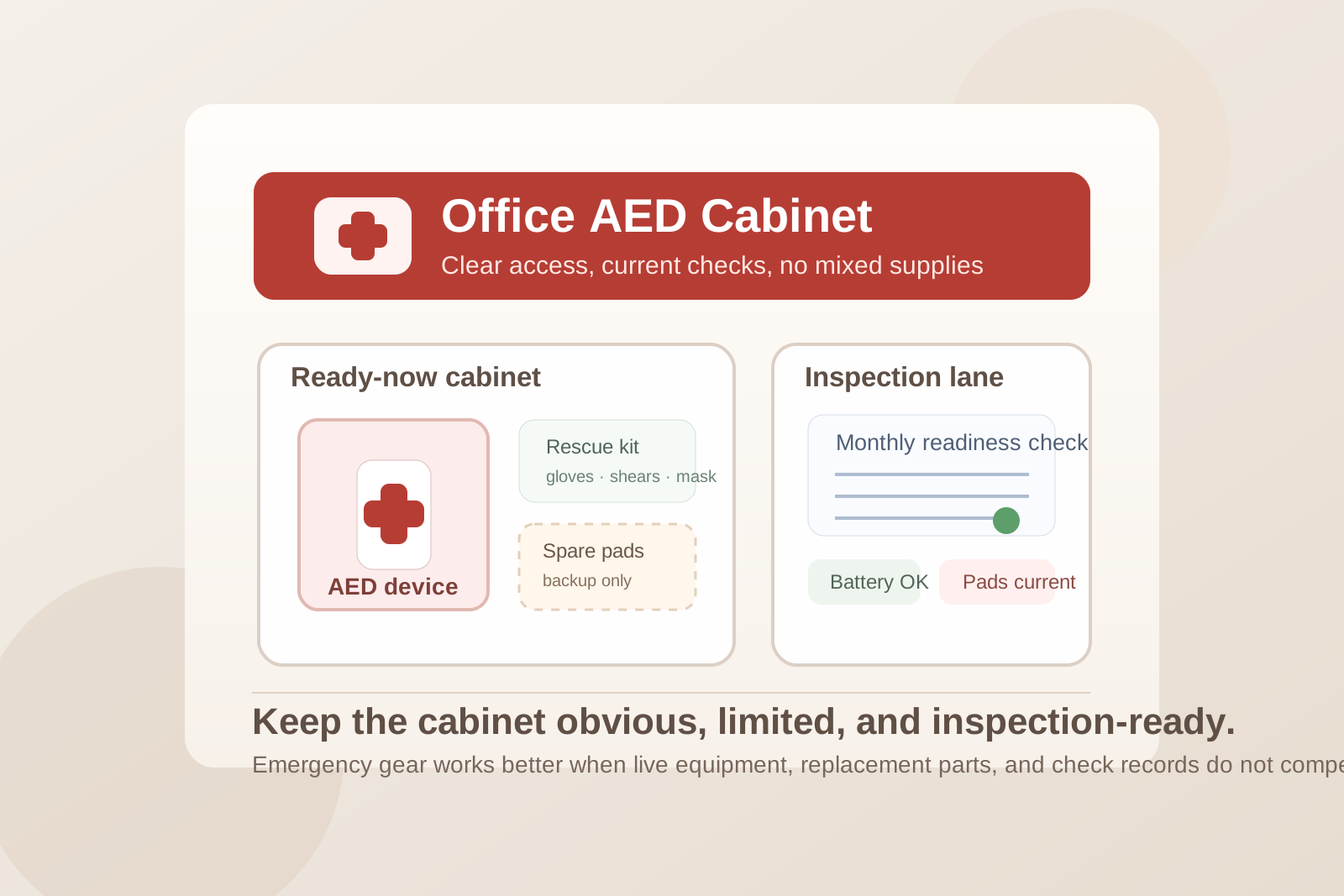
Office AED Cabinet Organization for Pads, Battery Checks, and Emergency Readiness
An AED cabinet does not create everyday clutter in the same way a mail station or supply shelf does.
That is exactly why it gets neglected.
People do not touch it often. Nobody wants to treat it like normal storage. The cabinet looks important enough that everyone assumes somebody else is checking it. Then one wall-mounted safety point quietly starts collecting small failures: an inspection sheet with missed dates, spare pads tucked behind unrelated items, a rescue kit that was opened during training and never fully reset, or signage that points people to a cabinet that is technically there but not immediately readable under pressure.
If you need to organize an office AED cabinet, the goal is not making emergency equipment look tidier for a hallway photo. The goal is keeping the cabinet unmistakably ready. That means the device is easy to identify, support items are limited to what truly belongs there, and inspection steps are simple enough that readiness does not depend on one person’s memory.
Quick answer
An office AED cabinet usually works better when you:
- keep the cabinet for AED-related items only, not general first aid overflow
- separate grab-now equipment from replacement or review-only supplies
- make battery, pad, and status checks visible on one simple inspection record
- remove expired, duplicate, or unclear items before they create hesitation
- keep nearby signage and access space clear so the cabinet is easy to spot fast
That setup works because an AED cabinet is not supposed to hold many categories. It is supposed to reduce decision time.
Why AED cabinets become disorganized even in tidy offices
The problem is usually not that too many people use the cabinet.
The problem is that almost nobody does.
Low-touch safety storage creates a false sense of order. From a distance, the cabinet looks fine because the door closes and the device is still inside. But readiness depends on details that are easy to miss during normal office routines:
- electrode pads may be nearing expiration
- the battery or status indicator may need review
- scissors, gloves, or a barrier mask may be incomplete after a drill or previous use
- the inspection log may be buried, skipped, or filled in inconsistently
- nearby shelves or wall hooks may slowly crowd the cabinet area
That is different from ordinary office clutter. A messy supply drawer wastes time. A messy AED cabinet creates uncertainty in a moment when nobody should be guessing.
Start by defining what belongs in the cabinet area
Many AED setups become messy because the area gets treated as a general safety corner.
Someone adds extra bandages because it feels related. Then a flashlight appears. Then an old first aid pouch. Then spare gloves from another cabinet. None of those items seems unreasonable on its own, but together they blur the purpose of the AED station.
A better rule is to keep the cabinet area focused on three groups only:
- the AED itself
- its immediate rescue accessories
- its inspection and replacement support
That usually means the cabinet or directly attached storage should hold only items such as:
- the AED device
- sealed rescue kit items that are meant to stay with it
- spare pads or battery only if your setup requires them nearby
- the inspection checklist or log
- concise response instructions if they are not built into the cabinet or device
If an item belongs to general first aid, janitorial restocking, or training storage, move it elsewhere.
Separate use-now items from replacement items
In an emergency, nobody should have to sort through backup supplies.
The active setup should feel obvious at a glance. If you keep spare pads, a replacement battery, or a sealed backup rescue kit nearby, those should be clearly distinct from the ready-now setup.
A simple approach is:
- keep the AED and its immediate kit in the main cabinet zone
- keep backup or replacement components in one labeled secondary pocket, shelf, or adjacent box
- avoid stacking replacements behind the device itself
That matters because the cabinet should answer one question first: Is the AED ready right now?
Everything else is secondary.
Make the inspection routine impossible to overcomplicate
A lot of AED cabinet disorder starts as inspection disorder.
If the readiness check takes too much interpretation, it gets delayed. If the log lives in a separate binder, it gets skipped. If the process depends on somebody remembering which accessory was replaced last quarter, the cabinet will slowly drift out of sync with reality.
Keep the inspection routine short and visible.
A useful check usually includes:
- device status indicator normal
- pads present and within date
- battery present and within date if applicable
- rescue kit complete
- cabinet access clear
- signage visible
- inspection date and initials recorded
If you use a paper log, keep only the current sheet or current cycle at the cabinet. If you use a digital compliance system, keep a small physical prompt at the cabinet so the check still happens in the real space.
Do not let training leftovers stay in the live cabinet
Training sessions often create subtle AED clutter.
A practice checklist gets tucked back into the door. Demo gloves get mixed with the sealed rescue kit. Used examples of pads, packaging, or handouts stay nearby because someone means to clean them up later.
That is risky because training material looks close enough to real material when people are moving fast.
After any drill, restock or reset the cabinet immediately and remove:
- opened demonstration items
- duplicate printed instructions from the training session
- temporary notes taped to the cabinet
- empty packaging from replacement parts
The live cabinet should never depend on people remembering what was left there “just for training.”
Keep the area around the cabinet clear, not just the inside
An AED cabinet can be technically organized and still hard to use.
A chair parked under it, a decorative plant beside it, or a rolling cart in the hallway can make the location slower to access. Even wall clutter matters. Too many nearby notices, posters, or hanging supplies can visually flatten the cabinet into the background.
To keep the area readable:
- leave a clear approach path
- avoid storing anything on the floor below the cabinet
- keep nearby signage simple and easy to notice
- do not use adjacent hooks or shelves for unrelated overflow
The goal is quick recognition, not just neat storage.
Set a small replacement lane for expired or questionable items
The worst time to decide whether something still belongs in the cabinet is during an inspection when nobody has a place to put it.
Create one small review lane elsewhere for:
- expired pads waiting for disposal or documentation
- old batteries pending approved replacement handling
- duplicate kits that need reassignment
- unclear accessories that need verification
That keeps questionable items from being pushed back into the cabinet “for now.”
A simple layout that works in many offices
If your office has one wall cabinet or one AED shelf area, try this structure:
Main cabinet zone
- AED centered and unobstructed
- sealed immediate rescue kit beside or below it
- quick instruction card only if needed
Secondary support zone
- one clearly labeled spare pad or battery section
- no unrelated first aid items
Inspection zone
- one visible checklist or inspection card
- pen, clipboard, or QR prompt only if it stays neat and reliable
Surrounding area
- clear floor space
- visible sign above or beside the cabinet
- no overflow storage on neighboring hooks, shelves, or ledges
Mistakes that make AED cabinets harder to trust
Avoid these common problems:
- treating the cabinet like a backup first aid closet
- storing expired supplies next to active ones
- hiding the inspection record behind the device
- keeping too many extras “just in case”
- leaving the cabinet visually blocked by furniture or hallway clutter
- assuming a closed door means the station is ready
When to reorganize the cabinet
Do a reset when:
- a monthly or quarterly check keeps getting skipped
- people are unsure which items are current
- the cabinet was used for an incident or a drill
- replacement parts were added without removing old ones
- nearby hallway or reception clutter is crowding the cabinet
AED organization works best when it stays boring. The ideal cabinet does not invite creativity. It stays easy to identify, easy to inspect, and easy to trust.
Final thought
A well-organized AED cabinet is not about storing more safety supplies in one place.
It is about protecting one high-stakes workflow from confusion.
When the device, accessories, and inspection steps are obvious, the cabinet stops being a wall box people hope is ready. It becomes a part of the office that is quietly prepared before anyone needs it.