How to Organize Your Workspace for Monday Morning Without Starting From Scratch
Monday feels harder when your workspace gives you no easy way back in. If the desk still looks like leftover Friday, you spend the first hour recovering instead of starting.
Quick Answer
To organize how to Organize Your Workspace for Monday Morning Without Starting From Scratch:
- leave last week behind before rebuilding the desk
- identify the first task block you actually need on Monday
- set out only the materials that support that first block
- contain review items so they do not flood the center surface
- reset chargers, paper, and call gear before the week speeds up
- aim for a ready desk, not a perfect desk
The goal is not to make the desk look impressive. The goal is to make the next work session feel easier to enter and easier to sustain.
Why Monday clutter feels heavier
Monday clutter carries two burdens at once: the residue of last week and the anticipation of the next one.
That combination makes even a mildly messy desk feel more chaotic than it looked on Friday.
Build around the first realistic work block
Do not prepare the desk for every possible task. Prepare it for the first ninety minutes that matter most.
That might mean one notebook, one laptop setup, one meeting list, and one paper tray instead of a full weekly spread.
Contain the review pile
Mondays often come with catch-up notes, inbox printouts, receipts, or loose planning pages.
Group them in one review area so they stay available without becoming the whole desk.
Reset convenience clutter before it multiplies
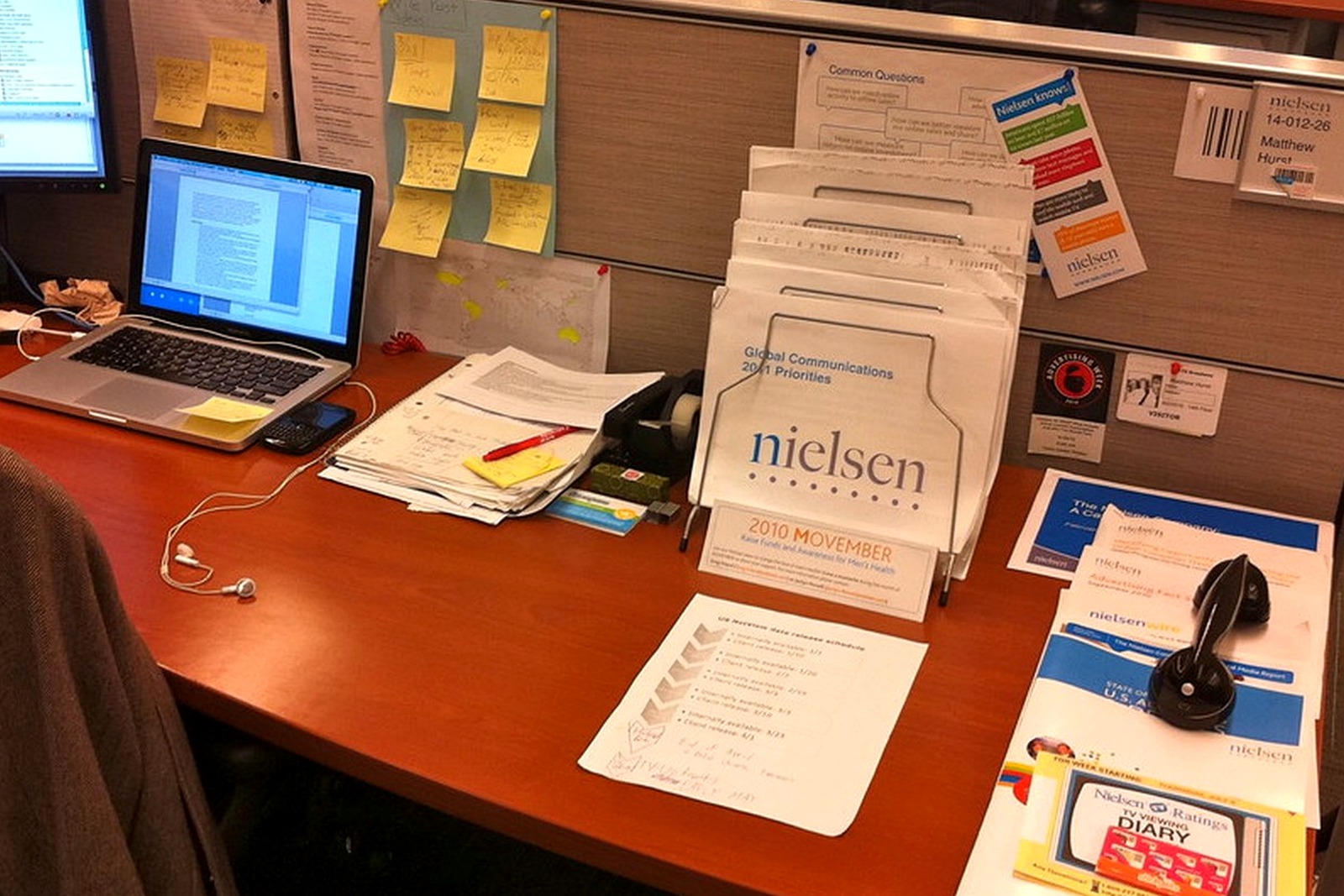
Loose chargers, mugs, headphones, and sticky notes tend to stay on the surface if Monday begins in a rush.
A five-minute setup keeps those items from turning into week-long visual clutter.
Make re-entry easier than avoidance
The best Monday setup reduces resistance. When the desk shows a clear starting point, it is easier to begin before you overthink the whole week.
A calm re-entry is more useful than a highly detailed planning ritual.
A Simple TidySnap Check-In
If you are not sure why this setup keeps getting messy, TidySnap can help you spot what is actually piling up in the space. A quick photo often makes it easier to see whether the real problem is paper spread, unstable tool zones, too many temporary items, or a layout that no longer matches the work.
Final Thought
A better workspace reset usually comes from making the next action obvious. When the desk clearly supports the work you are about to do, staying organized feels less like maintenance and more like relief.