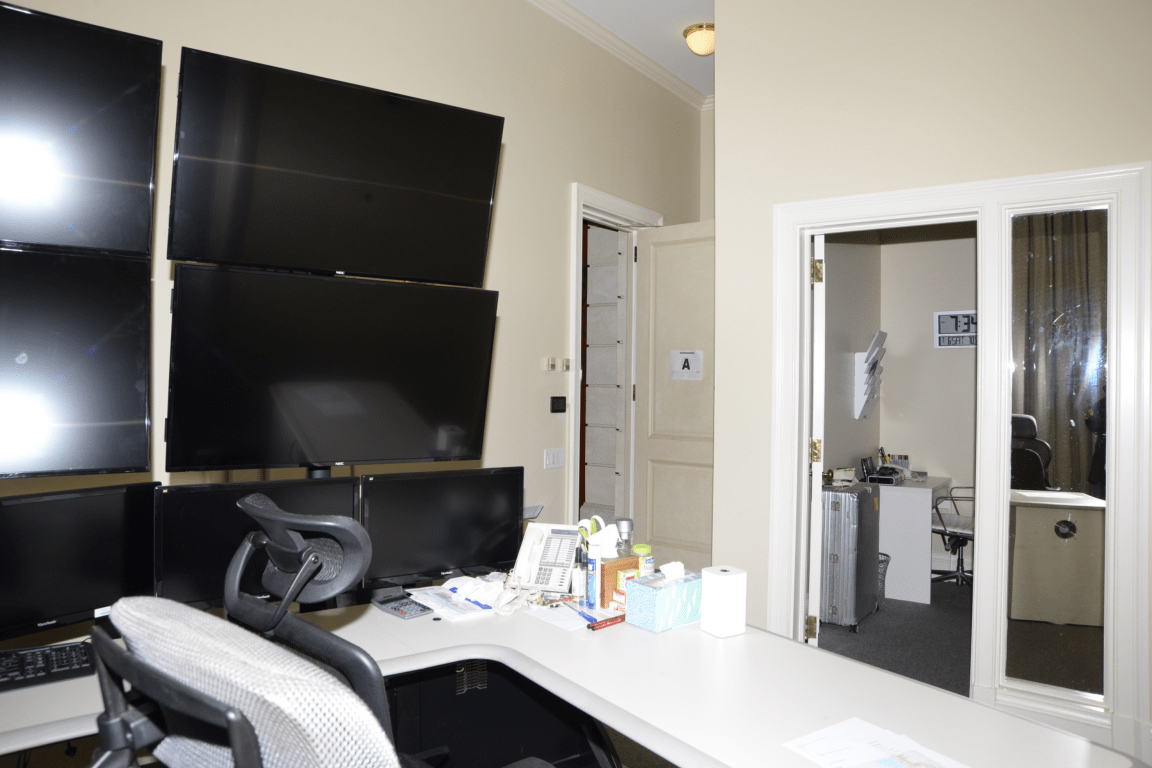
How to Organize My Office Without Turning It Into a Weekend Project
If you keep thinking, “I need to organize my office,” you probably are not looking for a picture-perfect setup or a reason to buy more storage bins. Most of the time, you are trying to solve a more immediate problem: the desk feels crowded, paper keeps spreading, cables are always in view, and the room no longer feels easy to work in.
That is why the fastest way to organize your workspace is usually not to tackle the whole room at once. It is to reset the parts of the office that shape your day-to-day work: the desk surface, the paper flow, the items within reach, and the visual clutter that keeps pulling your attention.
TidySnap is useful in exactly that kind of moment. You upload a real photo of your workspace, and it turns what feels like general mess into a visual cleanup plan you can actually follow.
Quick Answer: How Do I Organize My Office?
If your office feels messy, start here:
- remove obvious non-work clutter
- clear the center of the desk
- gather papers into one active pile and one review pile
- keep only daily-use tools within easy reach
- move low-use items off the main surface
- route visible cables out of the central work area
- leave part of the desk intentionally empty
For most people, that is enough to make the room feel functional again without turning cleanup into an all-day event.
What People Usually Mean When They Search “Organize My Office”
People rarely search this because they want decorative advice. More often, they are dealing with one of a few familiar situations:
- the desk has become a landing zone for everything
- the office looks messy at the end of the day or on video calls
- papers, chargers, and small tools no longer have clear homes
- the space technically works, but it feels mentally noisy
In other words, this is usually less about style and more about friction. The office is asking for too many tiny decisions before real work can start.
Start With the Workspace, Not the Entire Room
When an office feels chaotic, it is tempting to organize shelves, drawers, and every corner in one go. In practice, that usually makes the project feel bigger than it needs to be.
A better place to start is the area you use every day:
- the desk surface
- the monitor or laptop zone
- the keyboard and writing area
- visible paper piles
- chargers and adapters
- nearby side storage
When the main work surface gets better, the whole office usually feels calmer right away.
A Better Way to Think About Office Organization
Most people do not need a full office makeover. They need a workspace reset.
That means restoring function before optimizing aesthetics. Instead of asking, “Where can I store more things?” ask:
- What needs to stay visible?
- What deserves desk space every day?
- What is creating visual noise?
- What belongs somewhere nearby, but not here?
That shift matters because clutter is not only about volume. It is also about unclear boundaries. When everything lives everywhere, the room starts to feel harder to use.
The Fastest Office Reset: Clear, Group, Route, Reduce
A practical office reset does not need to be complicated. This sequence works because it lowers friction quickly.
1. Clear what obviously does not belong
Remove the easy extras first:
- food wrappers and packaging
- dishes and cups
- old receipts
- shipping materials
- random household items
- empty boxes
This step matters because subtraction is faster than organization.
2. Group what does the same job
Once the obvious clutter is gone, bring similar items together:
- all writing tools
- all current papers
- all charging gear
- all small accessories
- all notebooks and reference material
A workspace often feels more chaotic than it really is because similar objects have drifted into too many places.
3. Fix the cables before they spread again
Cable clutter creates more visual noise than people expect. A few simple rules usually help:
- keep only active cables on the desk
- move spare adapters out of sight
- run chargers along one edge
- keep cords out of the center work area
- push longer cables behind the monitor line
If the office still feels messy after a cleanup, visible cables are often a big reason why.
4. Reduce what earns daily desk space
Desk space is premium space. Not every useful object needs to live there all day.
Use this rule of thumb:
| Item type | Keep on desk? | Better home |
|---|---|---|
| Daily-use items | yes | within easy reach |
| Current project items | sometimes | side zone or tray |
| Weekly-use items | rarely | drawer, shelf, or back edge |
| Archive material or extra supplies | no | cabinet, file box, or storage |
| Non-work items | no | outside the office |
That single decision solves a surprising amount of repeat clutter.
How to Organize Your Workspace Inside the Office
Once the obvious clutter is gone, it helps to give the workspace a few simple zones. Most offices only need four.
1. Primary work zone
This is the center area where active work happens. It should hold only what supports the current task:
- keyboard and mouse
- laptop or main notebook
- one active document or planning surface
2. Support zone
This is where nearby daily tools belong:
- pen holder
- headphones
- charger
- task notebook
- water bottle if space allows
3. Paper zone
Many offices feel messy because paper spreads flat across the desk. Keep one visible place for:
- active paper
- review paper
- mail that still needs a decision
Even one tray or one clear stack boundary is better than letting paper drift.
4. Storage edge
This is for nearby but low-use items:
- stapler
- extra cables
- backup notebook
- spare accessories
- reference material you do not need this hour
If these items stay in the center, the desk always feels smaller than it is.
You Probably Do Not Need More Storage First
A lot of people assume office organization means buying products. Usually the first fix is placement, not purchasing.
Before you buy anything new, try this:
- one holder for all pens and tools
- one tray or stack for paper that needs action
- one drawer or shelf for weekly-use tech accessories
- one visible place for chargers
- one simple rule for what is allowed in the center of the desk
That is often enough to make the office feel structured again.
Where TidySnap Helps
This is where many people stall. They understand the general advice, but when they look at their real office, the questions become more specific:
- what should move first?
- which pile is actually causing the problem?
- what deserves desk space every day?
- what should move to the side instead of leaving the room?
TidySnap helps answer those questions from your actual workspace photo. Instead of only giving generic office tips, it helps turn your current setup into a clearer visual plan:
- identify overloaded areas
- protect the center work zone
- separate daily-use tools from overflow
- make cable paths easier to see
- create an after-state you can repeat later
That is especially useful when the office is still usable, but cluttered enough to keep draining your attention.
A 20-Minute Office Reset You Can Actually Do
If you want a realistic office reset, try this once before aiming for perfection:
| Minute | Action | Goal |
|---|---|---|
| 0-3 | remove trash and non-work clutter | clear easy friction |
| 3-7 | empty the center of the desk | restore a usable work area |
| 7-11 | group papers, pens, and accessories | reduce scattered noise |
| 11-15 | move low-use items to a drawer, shelf, or side area | protect reach space |
| 15-18 | route visible cables | reduce visual clutter |
| 18-20 | take an after photo and lock the zones | make the reset repeatable |
This works because it gives you a sequence, not just a vague goal.
Common Mistakes When Trying to Organize an Office
The biggest mistakes tend to be:
- organizing the whole room before fixing the desk
- keeping too many “maybe useful” items on the surface
- letting paper become background clutter instead of part of a workflow
- hiding clutter in random piles instead of grouping it
- treating cables like a minor detail
- filling every inch of desk space instead of leaving room to work
A good office does not feel calm because it is empty. It feels calm because the layout makes sense.
Final Takeaway
If you keep searching for how to organize my office, the real goal is probably not perfection. It is relief.
You want a workspace that feels easier to start, easier to think in, and easier to reset tomorrow. Start with the desk, keep only daily-use tools close, contain paper, reduce cable noise, and protect the center work zone.
That is the structure most people are really looking for when they want to organize their workspace, and it is exactly where TidySnap can help.
FAQ
What is the fastest way to organize my office?
The fastest way is to clear obvious non-work clutter, restore the center of the desk, group papers and tools, move low-use items off the main surface, and route visible cables away from the active work area.
How do I organize my office without buying anything?
Start by reassigning what already exists. Use one holder for tools, one stack or tray for paper, one place for chargers, and one side area or drawer for low-use items. Most office clutter is a placement problem before it is a storage problem.
What should stay on an office desk every day?
Usually only your main computer setup, one active notebook or document, one holder for essential tools, and a few daily-use accessories should stay within easy reach. Everything else needs a reason to stay.
How does TidySnap help me organize my workspace?
TidySnap turns one workspace photo into a visual cleanup plan. It helps identify cluttered areas, show what should move first, and create a more repeatable desk layout for daily work.