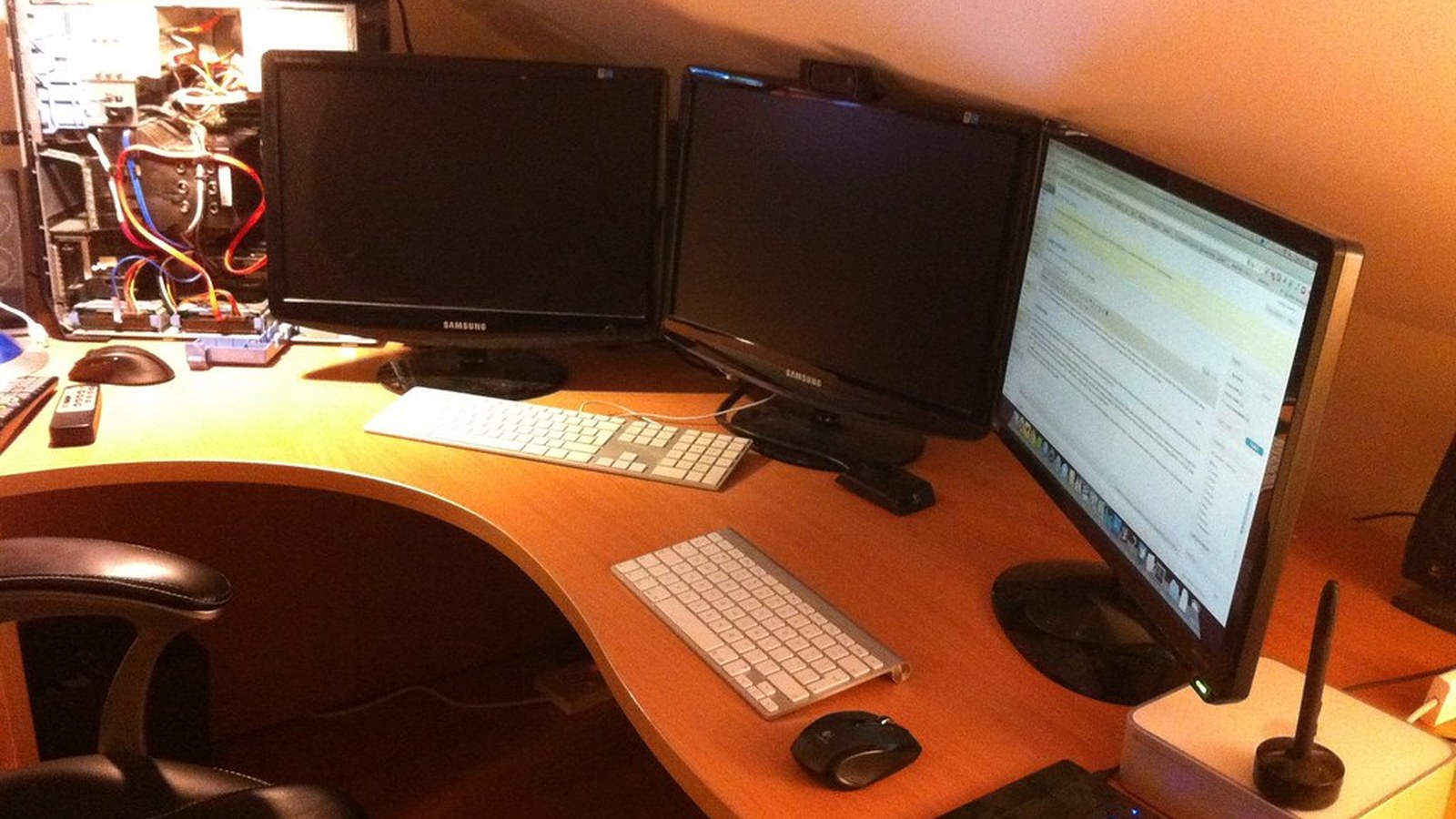
How to Organize an Attic Workspace Without Letting It Feel Temporary
An attic workspace often starts with a compromise.
You use the room because it is available, quiet, or separate enough to work in. But sloped ceilings, awkward wall lines, leftover storage, and mismatched furniture can make the whole setup feel improvised even after the desk is in place.
That is why organizing an attic workspace is not just about decluttering. It is about making the room feel like a real work zone instead of a temporary solution you never finished.
TidySnap helps when your attic setup works technically but still feels unfinished. A real room photo can turn that into a clearer plan for layout, storage limits, and what should stay visible in the space.
Quick Answer
To organize an attic workspace without letting it feel temporary:
- place the main work zone where the room feels easiest to use
- stop low ceilings and awkward corners from becoming random storage
- keep the desk setup simple and consistent
- use one contained area for backup supplies
- reduce visual clutter along sloped walls
- protect open floor and headroom around the chair
- reset the room to the same baseline every day
Why Attic Workspaces Feel Unfinished
Attic rooms often have features that invite clutter drift:
- shallow wall edges that become storage ledges
- corners that collect items with no clear home
- sloped ceilings that make furniture placement awkward
- leftover boxes from previous room uses
- a layout that feels more adapted than chosen
Even small amounts of clutter feel louder in a room that already has unusual geometry.
Choose the Best Working Position First
Do not organize the room around leftover furniture. Organize it around the spot where work feels easiest.
That usually means the desk should have:
- the best usable ceiling height for sitting down
- enough side clearance for movement
- stable lighting
- the least visual distraction in front of you
Once that position is clear, the rest of the room gets easier to assign.
Keep Sloped Walls From Becoming Storage Traps
One of the biggest attic problems is quiet storage creep along low walls.
A better rule:
| Area | Better use |
|---|---|
| main desk wall | active work only |
| low side walls | one defined storage category or left open |
| awkward corners | either empty on purpose or one labeled bin only |
| floor near the chair | clear for movement |
If every odd edge holds a different item, the room keeps feeling improvised.
Use One Support Zone, Not Many Small Clusters
Attic workspaces feel cleaner when support items live together.
That zone might hold:
- charger and cable pouch
- one notebook stack
- one tray for small tools
- one current paper folder
Scattered accessories are especially distracting in rooms that already have many visual angles.
Reduce Visual Weight Near the Desk Line
Keep the direct work view simple.
Prioritize:
- one main device line
- one active notebook or document
- one support cluster
- minimal open storage facing the chair
The more the workspace looks like a chosen setup, the less temporary it feels.
Give the Room a Real Reset Point
At the end of the day, return the room to the same baseline:
- desk center clear
- backup items off the surface
- floor edges open
- odd corners not collecting new clutter
Consistency matters more than decorative perfection here.
Where TidySnap Helps
TidySnap helps when an attic workspace feels awkward but you cannot tell whether the problem is layout, storage drift, or too many visible categories. It can highlight the clutter patterns that make the room feel temporary and help you define a steadier everyday setup.
Final Thought
An attic workspace stops feeling temporary when the room has clear choices instead of leftover ones. The goal is not to erase the attic shape. It is to make the work zone feel intentional inside it.