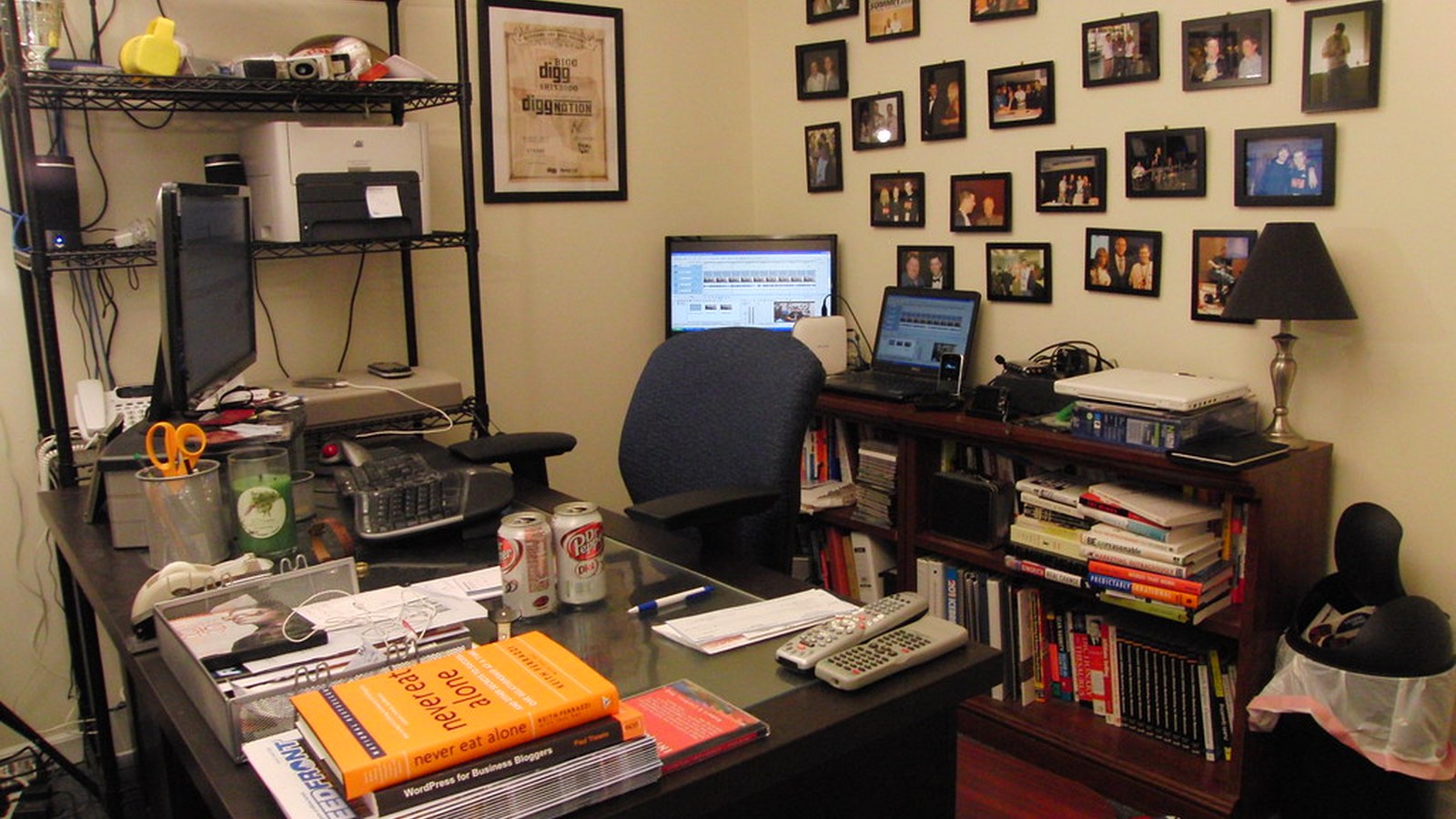
How to Organize a Workspace in a Shared Bedroom
A shared bedroom workspace has to support focus without making the whole room feel crowded or tense.
Quick Answer
To organize how to organize a workspace in a shared bedroom:
- keep the work zone compact so the bedroom still feels like a bedroom
- use visible boundaries for work items instead of letting them spread across the room
- store personal and shared items in separate containers
- reduce floor clutter from bags, chargers, and overflow paper
- choose a fast end-of-day reset that hides work when possible
- protect the other person’s space from slow work creep
The goal is not to create a perfect-looking setup. The goal is to make the space easier to enter, easier to use, and easier to reset.
Why shared bedrooms feel overloaded fast
A bedroom already carries visual weight from the bed, clothing, and daily personal items. Add a workspace, and even a small amount of spread can make the whole room feel crowded.
That is why the best shared-bedroom setup is usually compact, contained, and easy to reset.
Keep the desk footprint honest
Do not organize the bedroom desk as if it were a dedicated office. The setup should fit the room you actually have.
A tighter tool list protects both floor space and visual calm.
Use containers to prevent room drift
Open notebooks, chargers, and stationery become bedroom clutter when they do not have a defined home.
One tray for active work and one bin for end-of-day storage can make a shared bedroom feel dramatically easier to live in.
Separate work from personal rest cues
If work materials stay visible from the bed, the room may keep feeling mentally unfinished.
When possible, close the laptop, stack current papers, and move obvious work cues to one side at night.
Respect the shared-room boundary
The other person should not have to reorganize around your temporary spread every evening.
A good shared-bedroom desk setup makes your work portable enough that the room can return to neutral quickly.
A Simple TidySnap Check-In
If you are not sure why this setup keeps drifting, TidySnap can help you spot what is actually piling up in the space. A quick photo often makes it easier to see whether the real problem is mixed zones, too many visible items, or a layout that no longer matches the work.
Final Thought
A more organized workspace usually feels better because the next action is clearer. When the setup makes it obvious where to begin and easy to put things back, staying organized takes less energy.