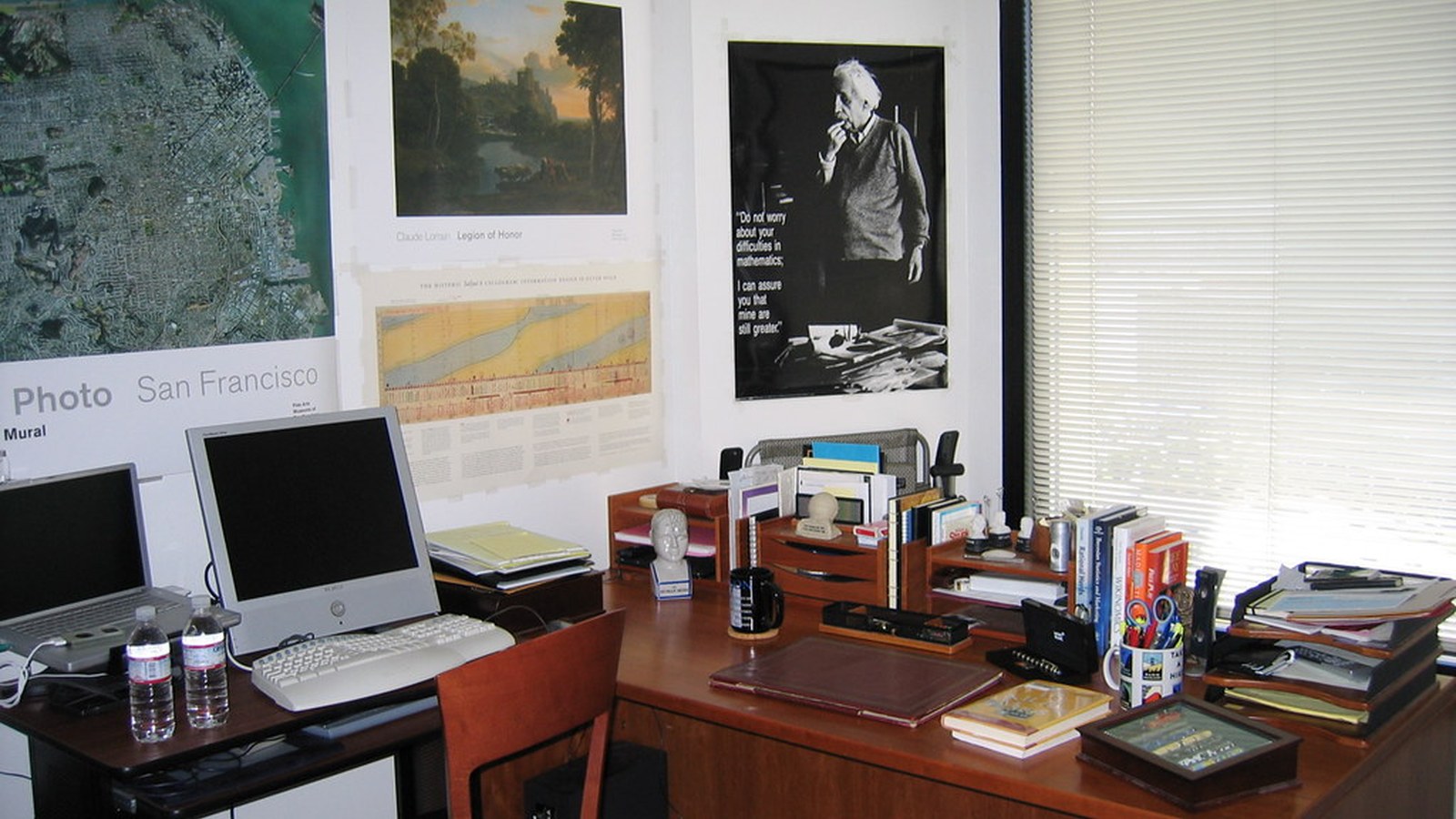
How to Organize a First Home Office When You’ve Never Set One Up Before
Your first home office does not need to be elaborate, but it does need enough structure that work can start without constant improvising.
Quick Answer
To organize this kind of workspace:
- start with the smallest complete setup that supports daily work
- protect one work surface before buying extra organizers
- assign one spot each for paper, cables, and daily tools
- keep storage visible and simple while habits are still forming
- reset the desk at the end of the day so the room can stay usable
Why This Setup Gets Messy So Fast
Beginners often buy storage before they know their actual workflow. A starter setup works better when the system stays simple and obvious.
Typical pressure points include:
- start with the smallest complete setup that supports daily work
- protect one work surface before buying extra organizers
- assign one spot each for paper, cables, and daily tools
- keep storage visible and simple while habits are still forming
Start With One Protected Work Zone
Most people try to organize the whole desk at once. It is usually more effective to protect the one zone that matters most first. That may be the typing lane, the writing lane, or the spot where papers get reviewed. Once that center area stays usable, the rest of the setup becomes much easier to maintain.
Give Each Category a Clear Home
When clutter repeats, it usually means categories are overlapping. Instead of asking the desk to hold everything the same way, separate what is active, what is support gear, and what is backup material.
| Category | Best home |
|---|---|
| current work | center lane or one active stack |
| support tools | side caddy, tray, or riser |
| reference material | vertical holder or side zone |
| backup items | off-desk or out-of-the-way storage |
This matters because clear homes reduce the need to keep every item visible just in case.
Reduce Spread Before You Add More Storage
A lot of workspace frustration comes from horizontal spread. Papers flatten out, tools multiply, and chargers drift until the whole surface feels busy. Before buying more organizers, limit how many items can stay open in each category. Fewer visible decisions usually beats more containers.
Build a Fast Reset Routine
A good setup is not one that never gets messy. It is one that returns to usable condition quickly.
Try this short reset:
- clear the center back to the main task
- return support tools to one side zone
- move noncurrent items into review or storage
- leave only tomorrow’s starting point visible
That keeps the space functional without needing a full reorganization every day.
Where TidySnap Helps
TidySnap helps when the setup feels normal to you but still slows you down. A fresh photo can reveal which category is overgrowing, which tools are sitting in the wrong zone, and what is eating the surface that should stay clear.
FAQ
What should a first home office include at minimum?
A comfortable seat, stable work surface, good light, device power, and a simple place for paper and tools. Start there before adding more gear.