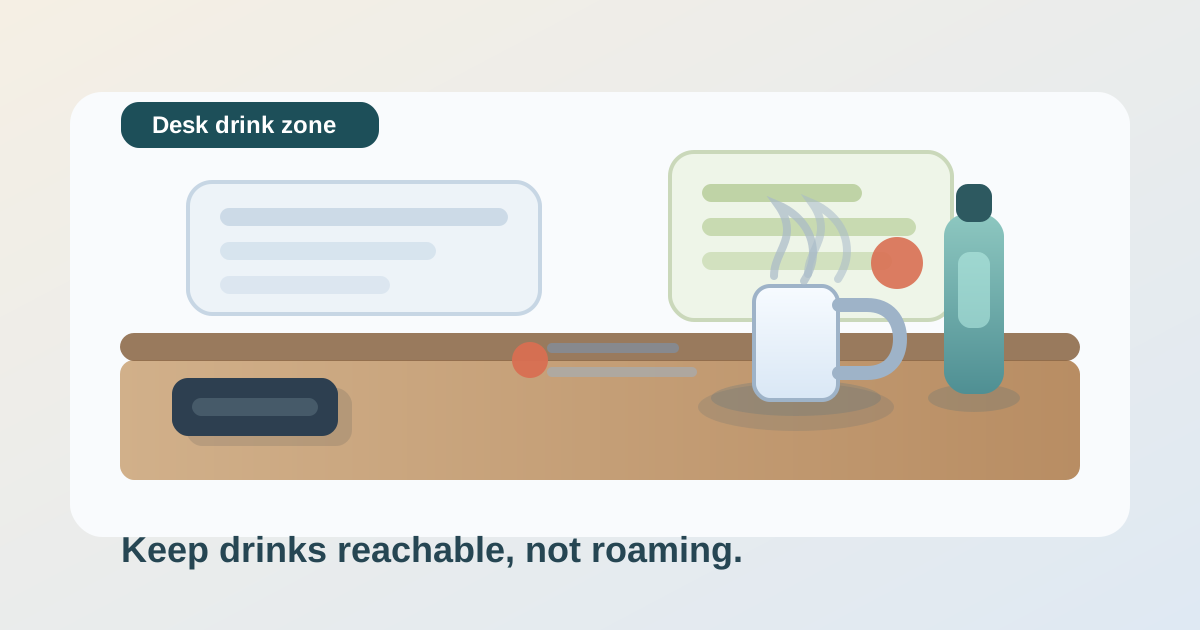
How to Organize a Desk Drink Zone Without Ring Marks, Spills, and Bottle Drift
A desk drink rarely looks like clutter at first.
It is just a mug for coffee, a water bottle for the afternoon, or a tumbler you keep nearby so you do not have to leave your chair every half hour. But then the drink starts moving. It lands near the mouse during one long call. It gets shifted beside a notebook because the keyboard area feels busy. A coaster appears, then a second coaster, then a napkin because one mug sweated through. A bottle cap sits on the desk for later. A tea bag wrapper or stir stick gets left near the cup because you are still working. Before long, one simple drink turns into a small wet-risk zone that keeps drifting across the workspace.
If you want to organize a desk drink zone, the goal is not banning drinks from the desk. The goal is giving them one stable home that protects your work surface, keeps paper and tech safer, and stops cups and bottles from borrowing whatever space happens to be open.
Quick answer
A desk drink zone usually works better when you:
- choose one repeatable parking spot for drinks instead of moving them around the desk
- keep that spot outside your keyboard, mouse, and paper lanes
- pair the drink with one surface protector such as a coaster or tray instead of loose napkins
- separate drink accessories like lids, tea bags, and flavor packets from the main work area
- reset the zone before rings, condensation, and half-finished cups start spreading
The best desk drink setup is not the one that hides every beverage. It is the one that keeps hydration easy without turning one side of the workspace into a spill gamble.
Why desk drinks create clutter differently from other desk items
A drink creates two kinds of mess at once: object clutter and risk clutter.
A pen cup or notebook may take space, but it does not usually threaten your keyboard, paper, or charging cable. A mug does. Even when nothing spills, a drink changes how you use the surface around it. You leave more clearance. You avoid setting paper too close. You start parking other items around the cup instead of in the cup’s path. That small safety buffer becomes its own invisible clutter zone.
That is why desk drink clutter often includes:
- shifting mugs that never have a fixed home
- water bottles parked in whatever corner is free
- coasters that migrate without a real landing spot
- napkins or paper towels used as backup coasters
- tea wrappers, stir sticks, or flavor packets left behind
- condensation rings near notebooks, chargers, or trackpads
The problem is not only the drink itself. The problem is that the drink quietly claims more than its own footprint.
Start by picking a true drink zone, not a temporary gap
Most desks get messy around drinks because the drink never has a real home.
It sits where there was room at the moment:
- beside the mouse during email
- near the notebook during a meeting
- in front of the monitor during lunch
- on the back edge while charging a phone
- on top of a coaster that keeps moving from side to side
That constant repositioning is what creates bottle drift.
A better setup picks one zone on purpose. For most people, that zone works best when it is:
- easy to reach without leaning
- outside the main keyboard and mouse path
- away from active paper
- not sharing space with charging gear
- stable enough that you naturally return the drink there every time
You do not need the drink in the perfect aesthetic position. You need it in the position that keeps it from wandering.
Keep the drink out of your primary hand lanes
The safest place for a desk drink is usually just outside the path your hands use most.
That matters because drinks tend to cause the most trouble when they live in motion zones:
- the mouse side where your forearm keeps swinging through
- the notebook corner where pages need to spread out
- the front edge where cables, wrists, and quick notes compete
- the monitor center line where cups start sharing space with reminders and devices
If your drink keeps getting bumped, the issue is often not carelessness. It is that the drink is living inside a lane that already has another job.
A practical rule is simple: if your hand has to dodge the mug during normal work, the drink zone is too close.
Use one protective layer, not improvised paper
A lot of desk drink mess comes from weak surface protection.
People start with a coaster, then lose track of it. So they use a folded sticky note, a receipt, or a napkin “just for now.” That works badly and makes the whole desk feel less intentional. Wet paper sticks to the mug. Rings still show up. The temporary fix becomes part of the clutter.
A better setup uses one consistent protective layer:
- one coaster that stays in the drink zone
- one small tray if you often switch between mug, bottle, and tea cup
- one absorbent mat if condensation is the main problem
What usually does not help:
- multiple drifting coasters
- paper towels left under cups all day
- stacking lids, packets, or spoons onto the same little pad
The protection should make the zone simpler, not add more loose pieces to manage.
Separate hydration from paper review and note-taking
This is where many office desks go wrong.
A mug often gets placed near paper because people want both within easy reach during reading, reviewing, or meeting notes. But paper and drinks create conflicting needs. Paper wants room to spread. Drinks need a stable boundary. When both use the same patch of desk, one of them starts pushing the other around.
If your desk regularly holds forms, invoices, printed agendas, or handwritten notes, keep the drink one step outside that paper lane. The paper zone should answer, what am I working on now? The drink zone should answer, where can this sit safely until the next sip?
When those two questions share the same few inches, the desk starts feeling more fragile than functional.
Keep lids, tea supplies, and flavor extras from becoming side clutter
A drink zone often turns messy because of the accessories around the drink, not the drink itself.
Common desk leftovers include:
- loose bottle caps
- tea bag wrappers
- used stir sticks
- sweetener packets
- coffee sleeves
- reusable straw cleaners or small lids
These items are small enough to get ignored and visible enough to make the desk feel unfinished.
If you regularly use drink extras, give them one answer outside the main surface. That might be:
- one drawer section for tea and coffee extras
- one break-room supply area instead of desk storage
- one tiny container in a support zone if you truly use the same item daily
The desk drink zone itself should hold the drink, not all the packaging history around it.
Choose the right side based on your workflow, not habit
Some people always place drinks on the same side because it feels natural. That habit may or may not fit the way the desk actually works.
Ask:
- which side already handles your mouse or writing hand
- where your active notebook usually opens
- whether your phone charges on one side of the desk
- where cables already run along the edge
- which corner stays most stable during the day
For many people, the best drink zone is on the non-dominant side and slightly back from the front edge. But the bigger point is choosing the zone based on workflow. If the drink keeps colliding with your busiest side, the layout is doing the problem for you.
What should stay out of the desk drink zone
The easiest way to keep a drink zone tidy is to be strict about what does not belong there.
Usually remove:
- chargers and cable slack
- sticky notes and loose paper
- earbuds cases
- flash drives or adapters
- snack wrappers
- pens and highlighters
- spare bottle caps
- anything you are setting down “for one minute”
A drink zone should be small and boring. If it becomes a multi-use corner, it stops protecting the desk.
A simple desk layout that works for drinks
If you want a practical default, try this:
| Zone | What belongs there | What stays out |
|---|---|---|
| drink zone | one mug, bottle, or tumbler plus one coaster or tray | notes, chargers, wrappers, loose caps |
| center work lane | keyboard, trackpad or mouse, main task view | drinks and condensation risk |
| paper zone | one active notebook or document set | cups, mugs, and wet surfaces |
| support zone | low-risk items such as a pen cup or small tray | beverages that can tip or sweat |
This works because the drink stops acting like a roaming object and starts acting like one defined category.
A fast reset that keeps the zone under control
Desk drink clutter usually builds through tiny decisions, so the reset can stay tiny too:
- return the drink to its actual parking spot
- clear any wrapper, lid, or napkin that collected around it
- wipe the coaster or tray if it is holding condensation
- move nearby paper back to the paper zone
- remove any cable or device that drifted into splash range
That quick reset matters because a drink zone rarely becomes messy all at once. It spreads one sip at a time.
Where TidySnap helps
Drink clutter is easy to dismiss because it looks small in the moment. In a real desk photo, though, the pattern stands out fast: a mug in the mouse lane, a bottle beside paperwork, a coaster floating without a clear home, and a charging cable sitting closer to condensation than it should.
TidySnap helps you turn that real setup into a clearer desk layout so your drink stays reachable, your work stays drier, and the same risky little corner stops drifting across the desk.
Final thought
A desk drink zone should support your workday, not make the desk feel slightly less safe all the time.
When the mug or bottle has one repeatable home, one real protective layer, and no pile of wrappers or cables gathering around it, the workspace feels easier immediately. That is the win: you keep the drink you want nearby without letting it quietly take over the rest of the desk.